Your Cart is Empty


Loose Leaf Tea vs Tea Bags: Which Fits How You Brew?
Loose leaf tea and tea bags are built for different outcomes. Learn how leaf size, flavor extraction, cost, and convenience really compare.


Aging tea tends to sound mysterious, as if it requires special knowledge or decades of patience. In reality, it is a practical idea rooted in how certain tea is made and how they respond to time.
Some tea deepen and soften as they age. Others simply lose what makes them appealing. The difference is not about rarity or cost, but about structure, processing, and storage.
Understanding which tea types are worth setting aside and which are best enjoyed fresh makes it easier to care for your tea and enjoy it at the right moment.
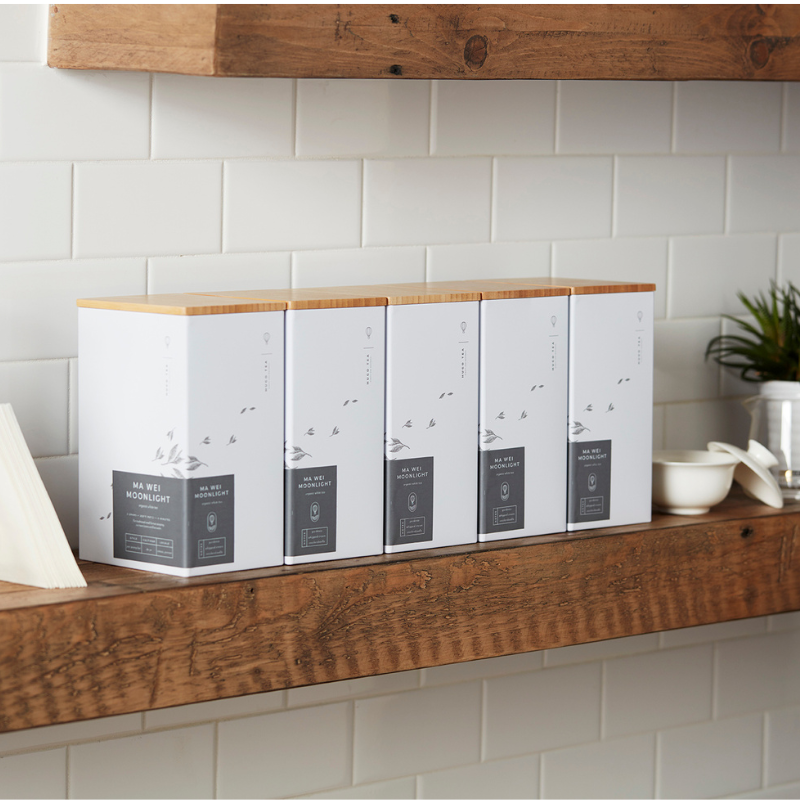
Aging tea does not mean forgetting about it on a shelf and hoping for the best. It refers to slow, intentional change that continues after the tea has been fully processed.
As tea rests, chemical reactions continue at a gradual pace. Oxidation can soften sharp edges. Aromatic compounds may fade, transform, or settle into new forms. In certain teas, microbial activity remains active, continuing to shape flavor and texture over time.
These changes can add depth and balance. They can also dull what made the tea appealing in the first place.
Time itself is neutral. Storage determines the outcome.
That is why not all tea types are suited for aging, and why the same tea can taste very different depending on how it is stored.

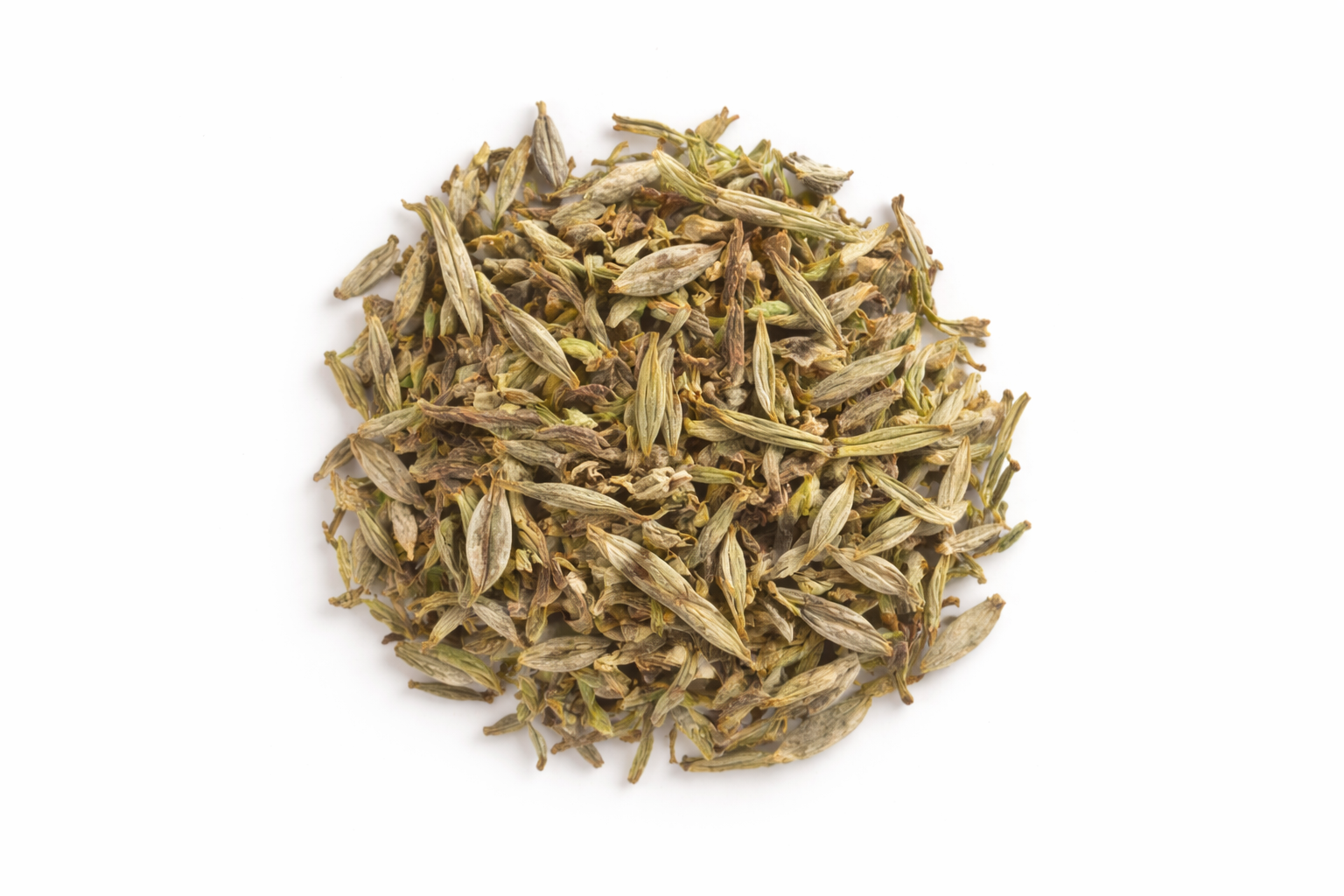
White tea is one of the most approachable tea types to age. Because it is lightly processed and not heat fixed in the same way as green tea, it retains compounds that continue to shift slowly over time.
When fresh, white tea often tastes bright, gently floral, or hay-like. With age, those qualities tend to soften. Sweetness becomes more pronounced, bitterness recedes, and flavors move toward honey, dried fruit, herbs, and warm grain.
White tea does not need decades to show change. Many people begin noticing differences within a year or two. Others enjoy tasting the same tea at multiple stages rather than waiting for a single perfect moment.
Aging white tea works best when storage is stable and dry, with protection from light and strong odors.

Dark tea is the clearest example of tea designed to age.
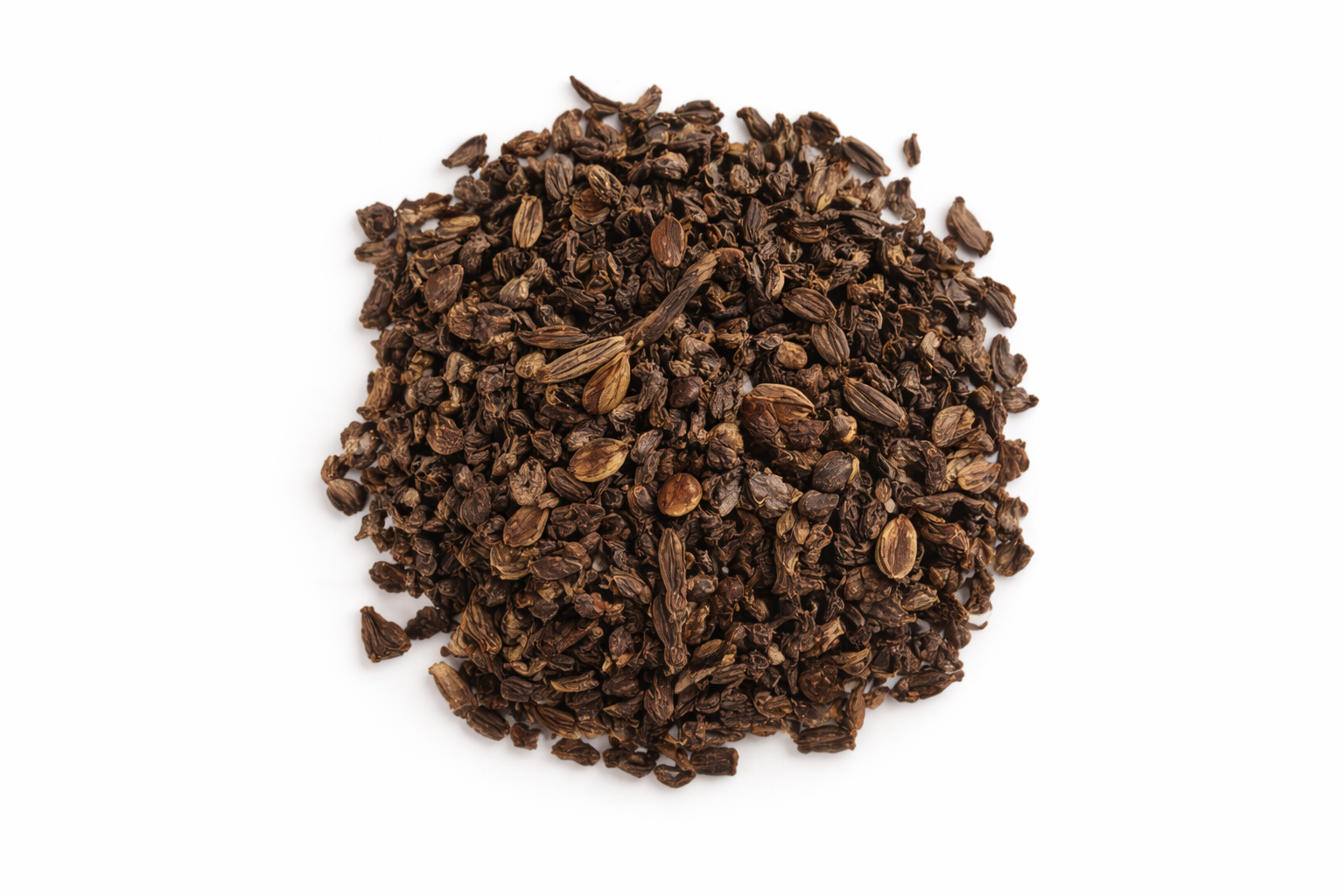
These tea types undergo post-fermentation, meaning microbial activity continues after the tea has been made. Over time, this process can deepen flavor, smooth rough edges, and create the earthy, woody, and camphor-like notes associated with aged dark tea.
Because these tea types are meant to change, storage conditions matter more here than anywhere else. Too dry and the tea may stagnate. Too humid and you risk musty flavors or mold.
Well-stored dark tea often becomes rounder, thicker in mouthfeel, and more integrated as it ages. There is no single flavor destination. Climate, storage method, and time all shape the result.

Roasted oolong sit in a middle ground between freshness-driven teas and intentionally aged teas.
Roasting reduces moisture and stabilizes the leaf, which allows this tea to hold up well over time. As they age, roasted oolongs often lose sharp roast notes and gain warmth, sweetness, and depth. Nutty, caramelized, and woody flavors tend to become more cohesive.
Not all oolongs are suited for aging. Lighter, greener styles generally fade with time, while darker, more heavily roasted oolongs are far more forgiving.
Aged roasted oolongs are often enjoyed gradually, opened and revisited rather than stored untouched for years.

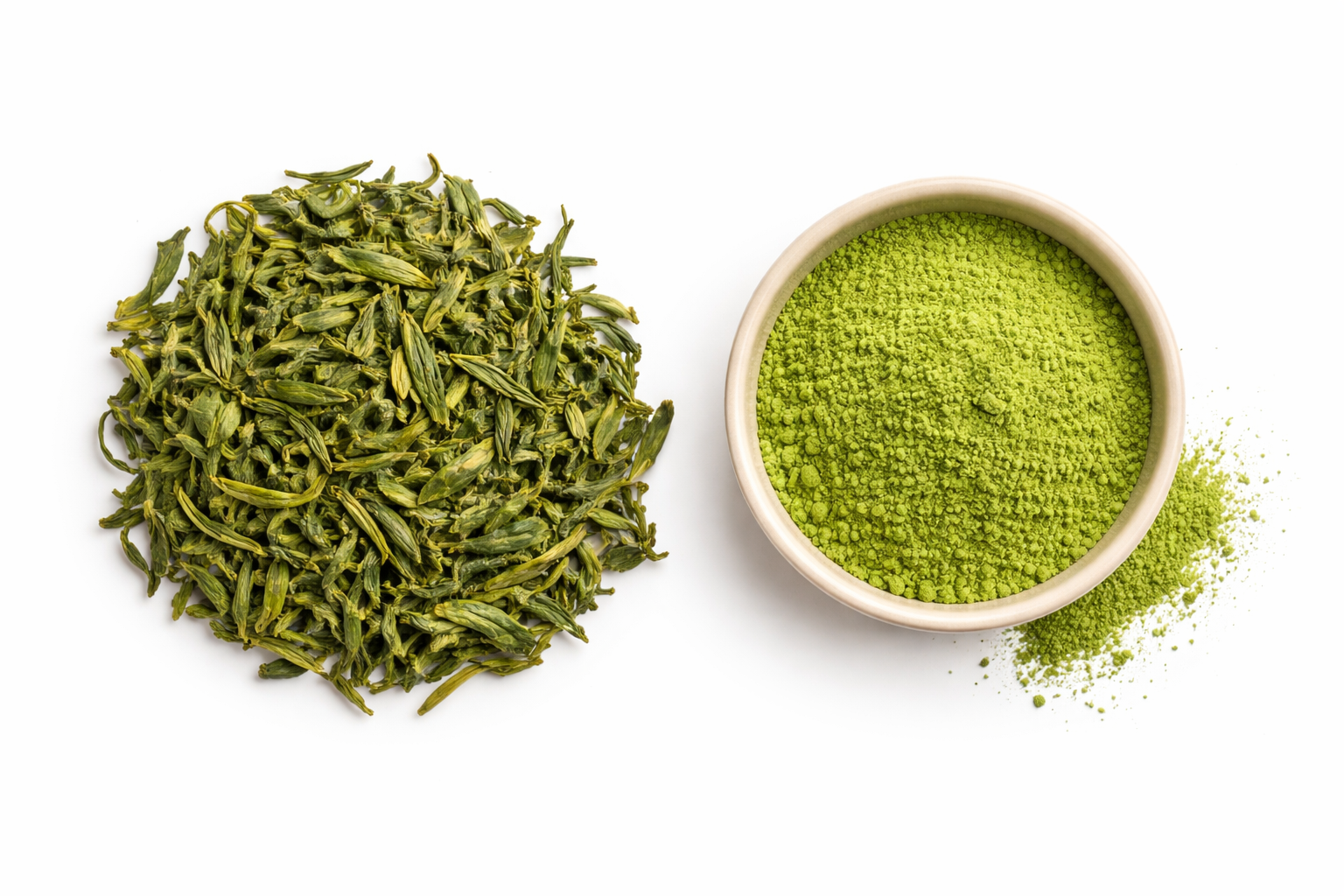
Green tea and matcha are made to highlight immediacy. Their appeal comes from brightness, vegetal sweetness, and aromatic lift. These qualities are fragile.
As green tea ages, aromas fade first. Sweetness dulls. What remains can taste flat or overly grassy. Aging does not usually improve these teas, even under ideal conditions.
Proper storage can slow this decline, but the goal is preservation, not transformation. Drinking green tea while it is fresh allows you to experience it as intended.

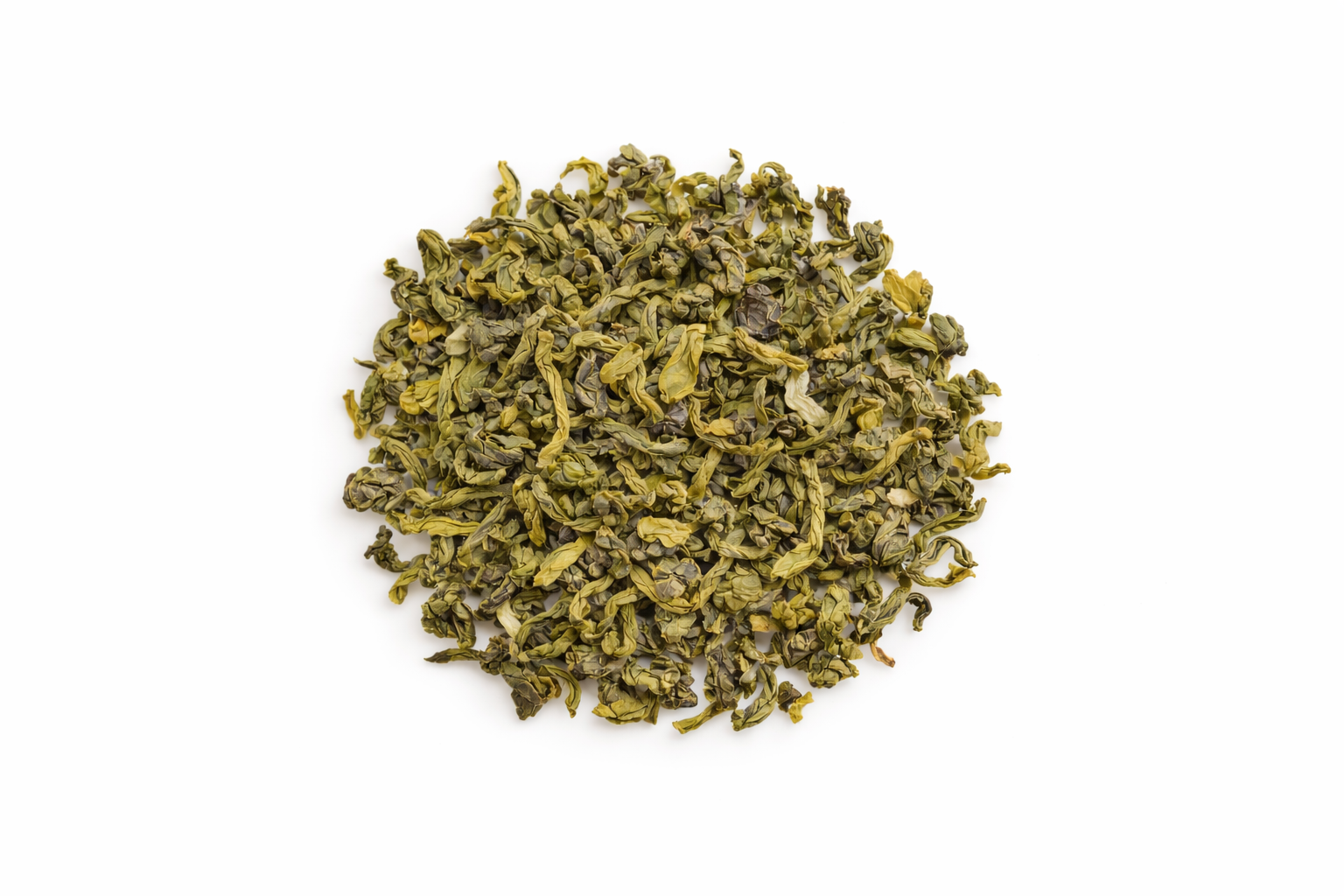
Lightly oxidized oolongsare prized for their fragrance. Orchid, lilac, cream, and fresh fruit notes are central to their character.
Time tends to mute these qualities rather than deepen them. While short rest periods after production can help flavors settle, long-term aging usually works against what makes these teas compelling.
These oolongs are best enjoyed within a relatively short window, stored carefully to protect aroma.
Storage is less about precision and more about consistency. Most problems come from exposure and fluctuation, not from being slightly imperfect.
All tea responds to the same environmental factors. How strongly those factors matter depends on the style, but the fundamentals do not change.
Light degrades aroma and flavor. Heat accelerates chemical reactions. Moisture introduces instability. Oxygen drives oxidation, and tea readily absorbs surrounding odors.
Good storage limits exposure to all of these. A stable temperature, low humidity, darkness, and a neutral environment matter far more than specialized containers or elaborate setups.
For tea you wantto age, the goal is balance.
They should be protected from light and strong smells, but not always sealed as tightly as freshness-driven teas. A small amount of airflow can allow slow change without inviting damage.
Avoid extremes. Very dry environments can stall development. Excess humidity can introduce off flavors. Stability over time is more important than hitting a specific number.
If you are aging tea at home, simple setups often work best. A dedicated cabinet or container in a quiet part of the house is usually enough.
For tea meant to stay fresh, airtight storage is key.
Exposure to air and light should be kept to a minimum. Containers should be sealed between uses and stored away from heat and strong odors that can transfer into the leaf.
Refrigeration can be helpful for green tea and matcha when done carefully. Tea should be fully sealed, and it should be allowed to return to room temperature before opening to prevent condensation.
The goal is not to stop change entirely, but to slow it enough to preserve freshness.
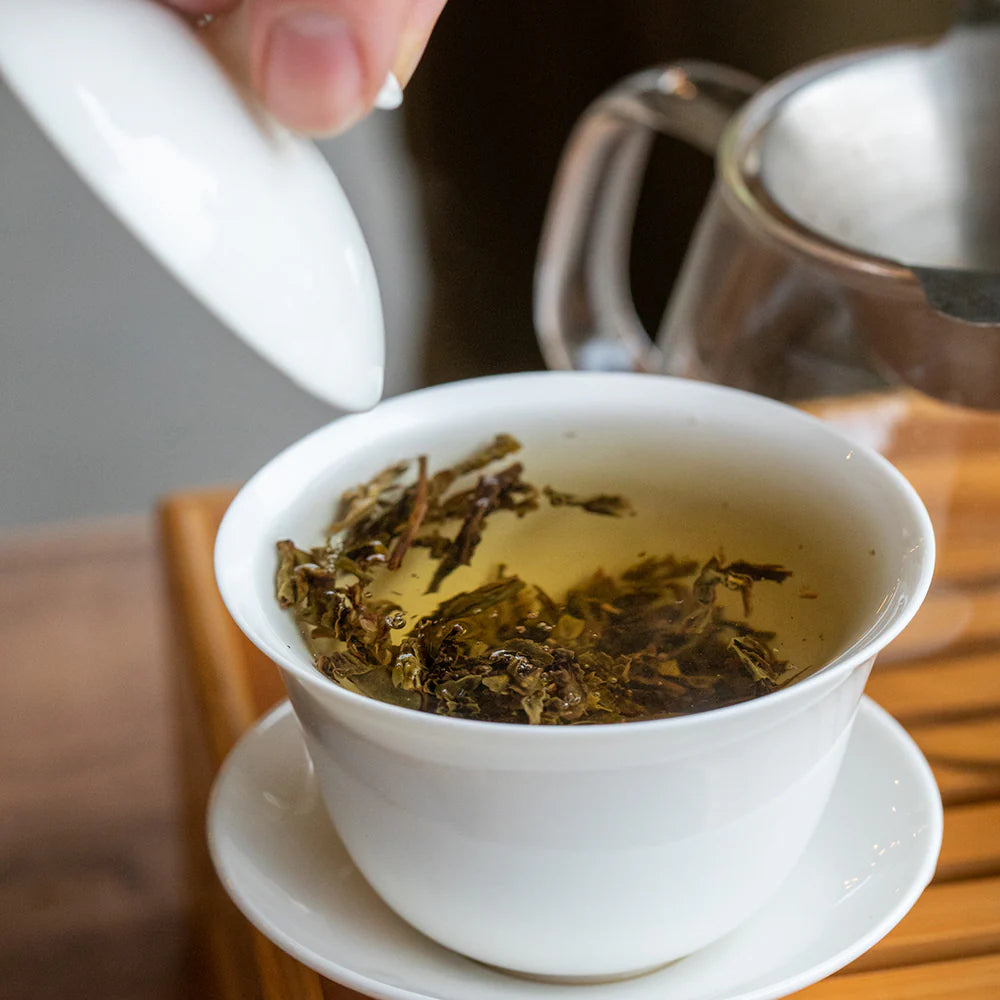
There is no single timeline for aged tea.
Some tea begins to change within months. Others take years to show meaningful development. Many are enjoyable at several points along the way, and longer aging does not automatically mean better results.
The most reliable approach is to taste the tea periodically. Brew it. Pay attention. Take notes if that helps, but let your own preference guide the decision rather than expectations about age.
Aging is not about waiting for a finish line. It is about understanding how a tea responds to time.
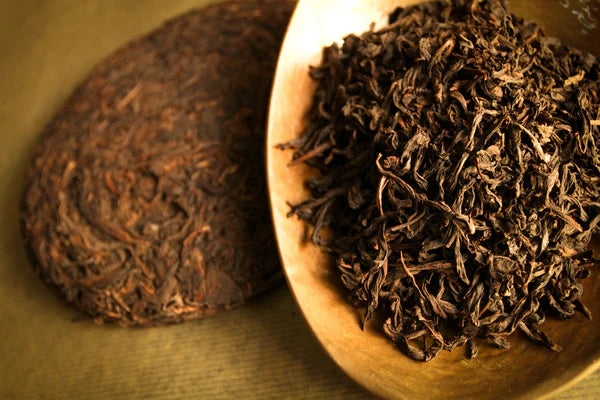
Aging tea is a choice, not a requirement.
Good tea should be satisfying when it is fresh and interesting if you decide to let it rest. Storage is simply a way of respecting the work that went into making it.
Whether you drink a tea immediately or revisit it years later, the value comes from paying attention. Time can add something meaningful, but only when it is invited with care.
Some tea does improve with age, but many do not. Whether a tea benefits from aging depends on how it was processed and how it is stored. Time alone does not guarantee better flavor, and for certain tea types, freshness is essential to their character.
Tea that tends to age well include white tea, dark tea such as pu-erh and other hei cha, and some roasted oolongs. These types have structures that allow slow change without losing balance. Green tea and light, floral oolongs are generally better enjoyed fresh.
Tea does not spoil easily, but it can lose quality if stored poorly. Excess moisture, heat, light, or exposure to strong odors can cause flavors to fade or develop off notes. In extreme cases, improper storage can lead to mold, which is a sign the tea should not be consumed.
Storage time varies by tea type. Freshness-driven types like green tea are best enjoyed within months, while white tea, dark tea, and some oolongs can be stored for years under stable conditions. Quality depends more on storage than on age alone.
Green tea is not typically suited for aging. Its appeal comes from brightness, aroma, and freshness, which gradually diminish over time. While proper storage can slow this process, green tea is generally best consumed relatively soon after production.
Previous Article
Loose leaf tea and tea bags are built for different outcomes. Learn how leaf size, flavor extraction, cost, and convenience really compare.
Next Article
Bruising is a deliberate step in oolong tea making that helps develop aroma, depth, and complexity. Learn how gentle leaf damage shapes flavor.
