Your Cart is Empty


Aging Tea: Which Tea Types Improve with Time (and How to Store Them)
Not all tea benefit from aging. Learn which tea improve with time, which are best fresh, and how to store them so they evolve properly.

Bruising is not something most people associate with quality. In tea making, it plays a critical role.
Oolong tea sits between green and black tea. It is partially oxidized, which means its flavor is shaped through a series of controlled steps rather than a single transformation. One of the most important of those steps is bruising.
Bruising is where the leaf begins to change. It is not rushed. It is not aggressive. And when done well, it is what gives oolong tea its depth, aroma, and layered flavor.
Without bruising, oolong tea would not develop the complexity it is known for.
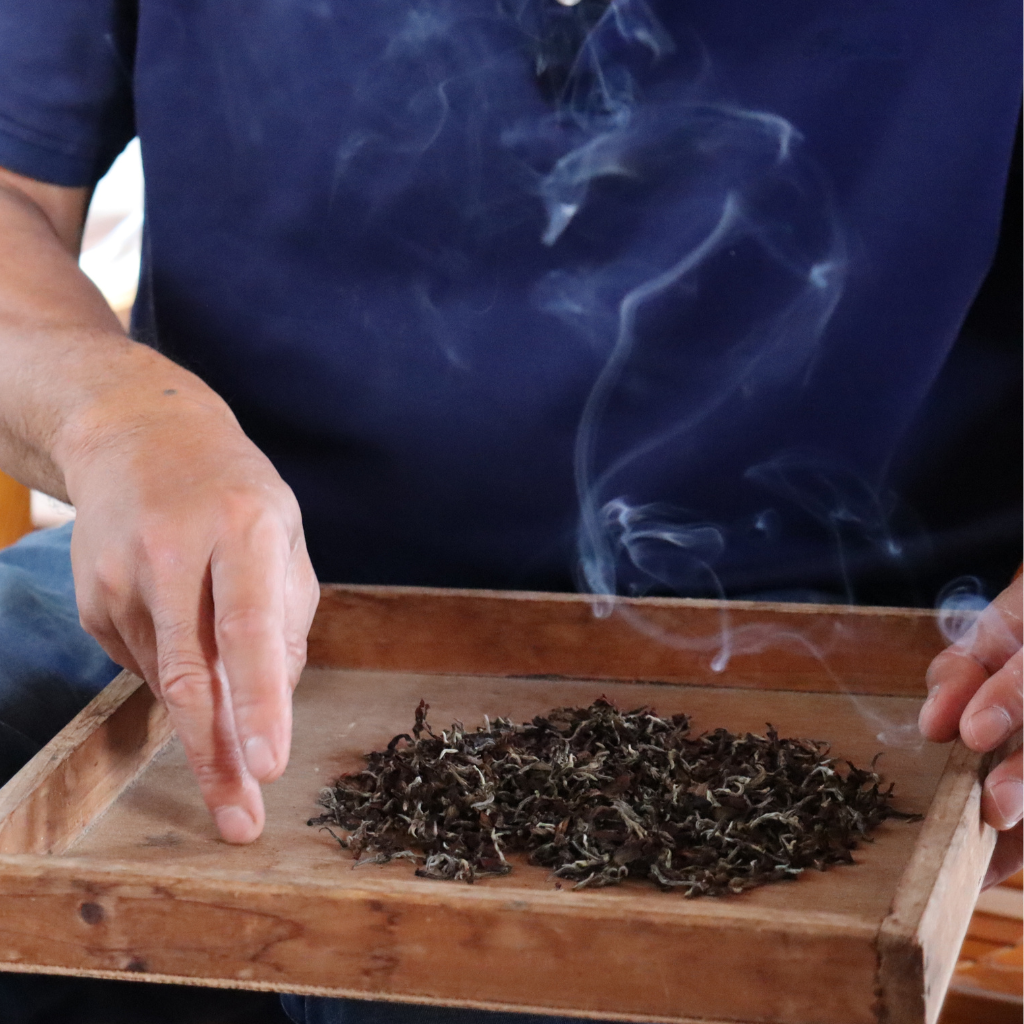
Bruising is a controlled step used in tea processing after the leaves are harvested. During this stage, the leaves are gently shaken or agitated to create small breaks in the leaf structure, most often along the edges.
These breaks allow oxygen to reach the inside of the leaf. That exposure is what begins oxidation, which drives flavor development over time.
Bruising does not cause oxidation on its own. Instead, it determines where oxidation starts and how quickly it progresses, giving tea makers a high level of control early in the process.
The goal is precision. Too much damage too early can flatten flavor. Too little, and the tea may not fully develop.
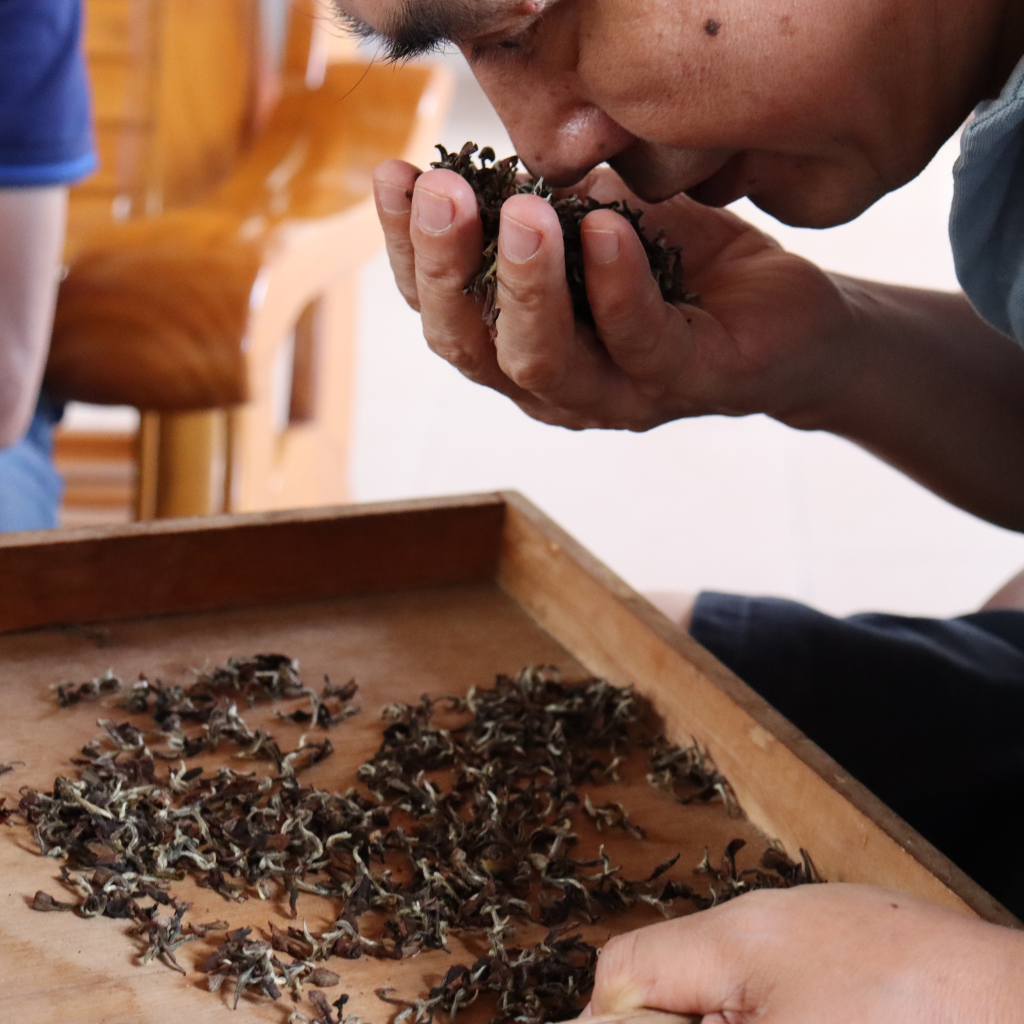
Oolong teais defined by partial oxidation, placing it between green and black tea in both process and flavor.
Green tea is heated early to stop oxidation almost entirely. Black tea is fully oxidized, often after the leaves are rolled or cut to break them down more completely.
Bruising allows oolong to develop differently. By initiating oxidation in specific areas of the leaf, often along the edges, tea makers can control both the pace and extent of change.
This uneven development creates complexity in flavor. Without bruising, maintaining this level of control would be difficult.
When tea leaves are gently bruised, oxidation does not happen evenly across the entire leaf. It begins in the areas where the leaf has been most affected, often along the edges.
This uneven start matters. As oxidation progresses, different parts of the leaf develop at different rates. Some areas move toward sweetness and warmth, while others retain more freshness. When the tea is brewed, those differences come through as depth rather than a single dominant flavor.
This is one reason many oolongs feel balanced and structured instead of sharp or one-dimensional.
Bruising also plays an important role in how aroma develops. Early on, it helps reduce raw, grassy notes that are common in unoxidized leaves.
As the leaves rest between rounds of bruising, oxidation continues at a controlled pace. During this time, aromatic compounds begin to form. Depending on the style of oolong and how the leaves are handled, this can result in floral notes, fruit tones, and soft sweetness.
These aromas are not introduced during processing. They develop naturally as a result of how the leaf changes over time.
Bruising is rarely done just once. In traditional oolong production, leaves are often bruised in stages, with rest periods in between.
During these rests, tea producers closely observe the leaves. Changes in scent, texture, and temperature all provide signals about how the process is progressing. Decisions about when to bruise again are based on these observations, not a fixed schedule.
Because conditions vary from harvest to harvest, timing is never identical. Effective bruising responds to the leaf as it is, not how it behaved before.
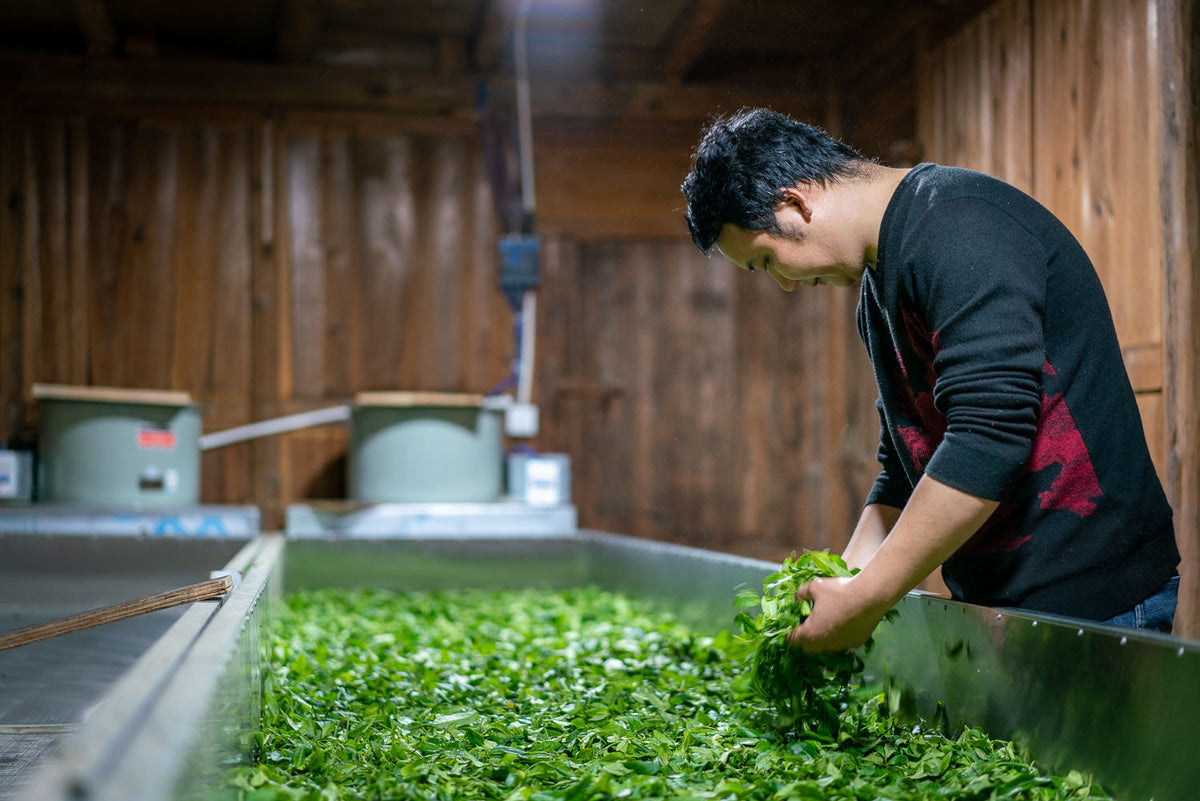
There is no single formula for bruising oolong tea.
Leaves vary by cultivar, season, altitude, and weather. Humidity shifts. Temperatures change. Even the feel of the leaf in the hand can be different from one harvest to the next.
Because of this, bruising relies heavily on experience. Tea producers adjust their approach in real time, responding to what the leaves are doing rather than following a fixed schedule.
This is why oolong tea carries such a strong sense of place and craftsmanship. The process leaves room for judgment, intuition, and skill. Bruising is not just a step. It is a conversation between the maker and the leaf.
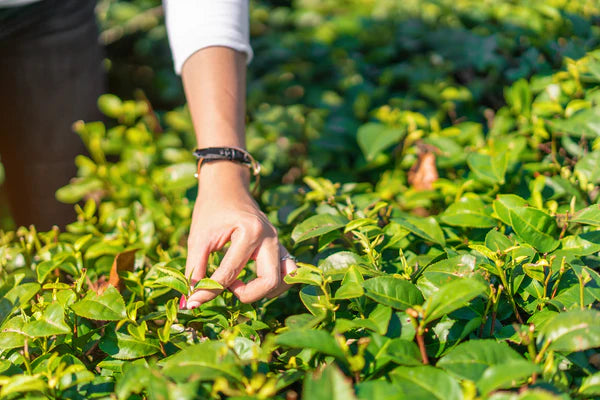
Some oolongs develop flavor through a different kind of leaf damage, long before harvest.
In certain regions, tea leaves are bitten by small insects. The plant responds by producing aromatic compounds as a defense. These changes carry through processing and result in teas known for honeyed, fruity aromas.
While this is not bruising in the processing sense, it highlights the same idea. Controlled stress on the leaf can unlock remarkable flavor when handled with care.
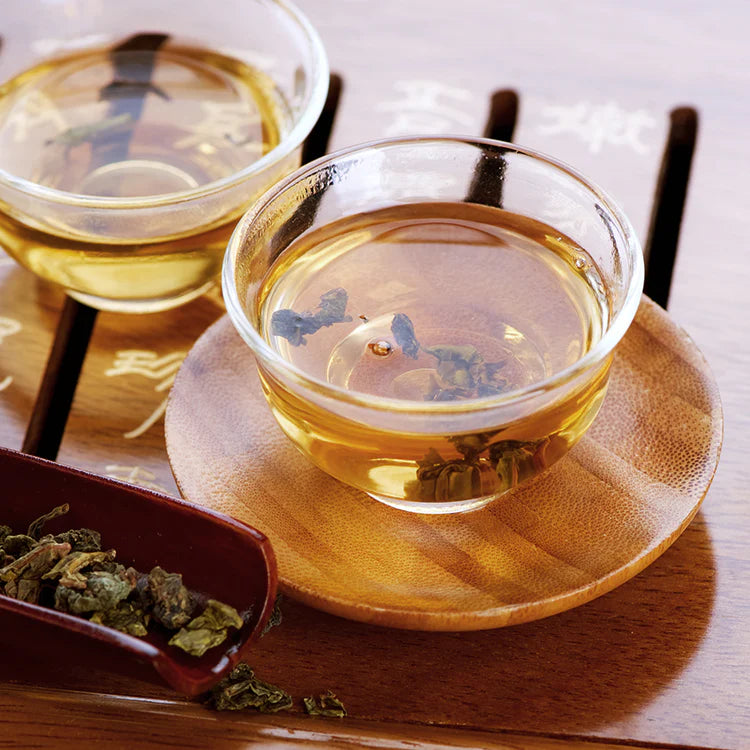
Knowing about bruising changes how you experience oolong tea.
Pay attention to the aroma rising from the cup. Notice how the flavor unfolds rather than hitting all at once. Many oolongs shift across sips, moving from floral to sweet to softly roasted.
That progression is not accidental. It reflects the layered development that began when the leaves were first bruised.
Understanding this process does not make the tea more complicated. It makes it more meaningful.
Bruising is not about damaging the leaf. It is about guiding how the tea develops.
By carefully controlling movement, timing, and rest, tea makers shape how oxidation unfolds without pushing the leaf too far in any direction. Those early decisions continue to influence the tea long after processing is complete.
When you drink oolong, you are tasting the result of that control and attention, starting from the moment the leaf first began to change.
Previous Article
Not all tea benefit from aging. Learn which tea improve with time, which are best fresh, and how to store them so they evolve properly.
Next Article
Learn how L-theanine shapes tea’s calm energy and how matcha, green, and oolong teas naturally balance caffeine and clarity.
