Your Cart is Empty


Oolong vs. Black Tea: How Oxidation Shapes Flavor & Chemistry
Discover how oxidation separates oolong from black tea—and how it transforms taste, aroma, and caffeine’s calm, balanced energy.

Every cup of tea carries a quiet balance: energy without urgency. The source is L-theanine, an amino acid formed in the roots of Camellia sinensis and concentrated in the plant’s young leaves. It contributes to the gentle sweetness in the cup and the steady clarity that distinguishes tea from coffee.
Understanding L-theanine is one of the simplest ways to understand tea itself and how a single leaf can both steady and awaken the mind.
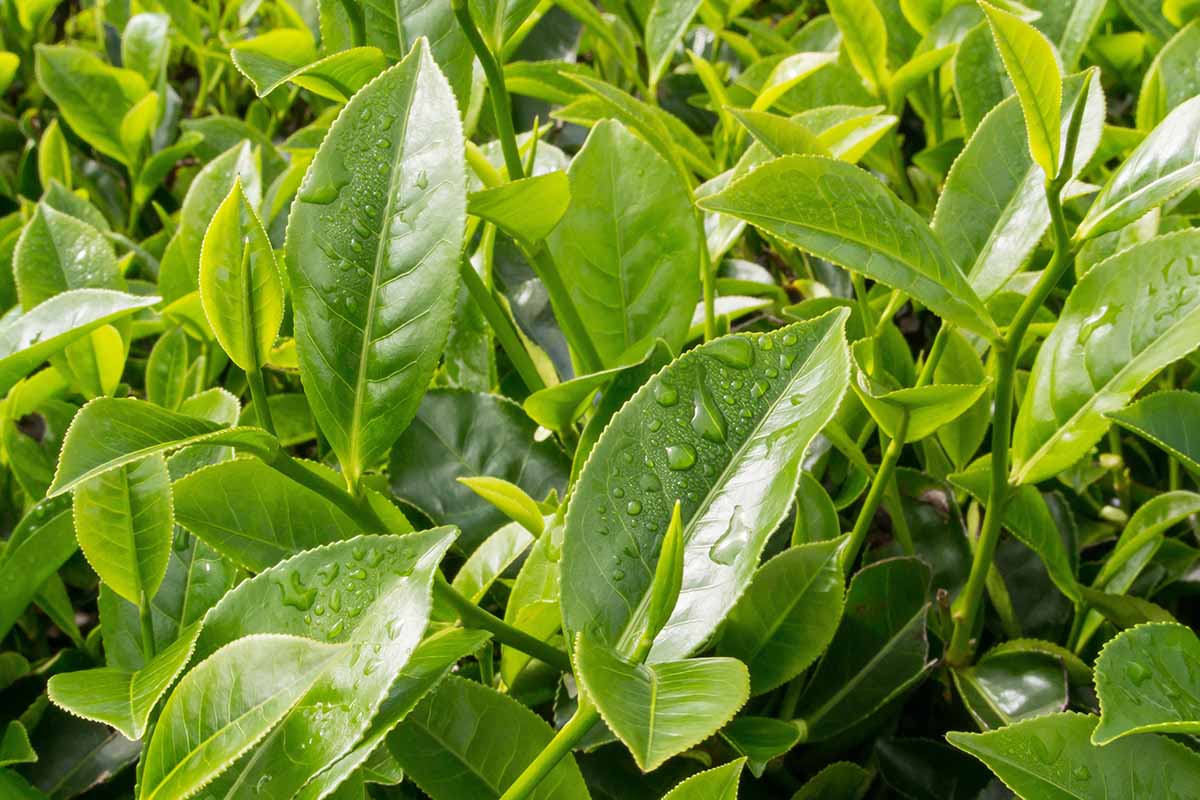
L-theanine is a naturally occurring amino acid that shapes both the taste and the feeling of tea. It gives fresh green tea and matcha their soft sweetness and helps smooth the edges of caffeine. The plant produces theanine in its roots, then moves it into young leaves and buds as they develop.
Shading the plant from direct sun helps preserve even more of it, which is why shade-grown tea such as Matcha, Green Tea, and Gyokuro often feel rounder, deeper, and more centering than more heavily roasted or oxidized styles.
Inside your brain, L-theanine interacts with neurotransmitters tied to mood and focus—mainly glutamate and GABA. Studies show it can gently increase alpha-wave activity, the brain state linked to relaxed alertness. Think creative focus, not couch-lock.
Tea naturally contains both caffeine and L-theanine. Together, they change how stimulation feels. Instead of a quick spike, tea offers a gentler rise and a steadier sense of energy. This is why tea often supports concentration without the jitteriness that sometimes follows strong coffee.
Although L-theanine is associated with relaxation, it is not sedative. It softens mental tension while keeping the mind clear, which makes it ideal for the morning, afternoon work, or any moment that calls for clarity without overstimulation.
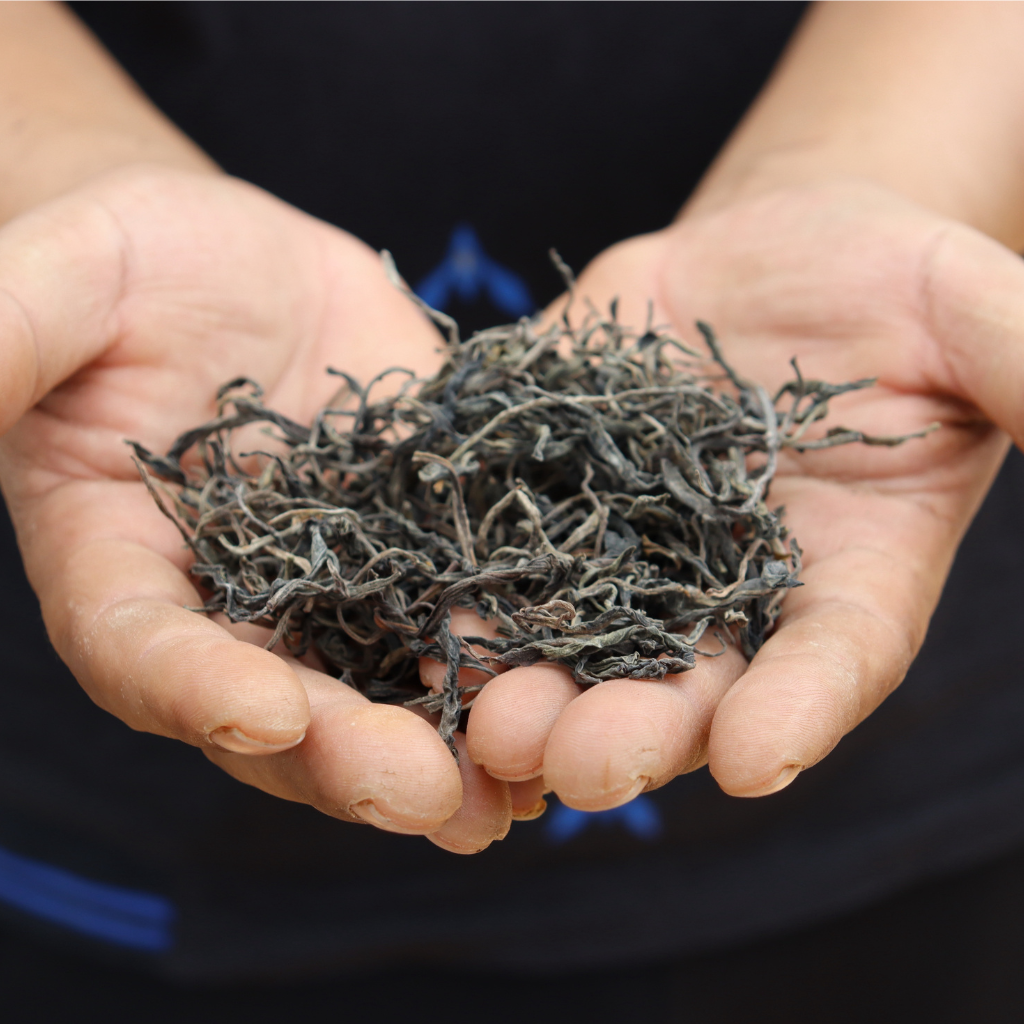
Not all tea types carry the same L-theanine levels. How leaves are grown and processed makes a difference:
If you’re looking for the smooth, calm alertness associated with higher theanine, stay toward the green end of the spectrum with Matcha or Green Tea. For more body and depth, Black Tea still provides some theanine, supported by a slightly stronger caffeine presence.
Tea chemistry responds to how you brew. A few small tweaks make a difference:
Brewing is chemistry in practice. You can explore how small changes influence flavor across every tea style in our Brewing Guides.

Scientists have studied L-theanine for decades. Most agree on a few consistent points: it can modestly reduce perceived stress, support attention when combined with caffeine, and help steady cognitive performance under pressure. Results differ from study to study, and the effects are subtle rather than dramatic. In the United States, L-theanine is considered safe and carries GRAS status, while European regulators remain cautious about broad health claims.
In short, the research supports what careful tea drinkers have known for centuries: tea offers a calm, centered focus, even if the exact mechanisms are still being explored.
For a broader look at tea and health, see Tea & Health, Explained.
Shade-grown Japanese greens like Matcha and Gyokuro develop the highest L-theanine levels. Limited sunlight pushes the plant to store more amino acids in young leaves, giving these teas their smooth, umami-rich taste.
Just relaxed. It encourages a calm, steady state of focus without sedation. You stay alert—similar to a quiet mind rather than a drowsy one.
How does L-theanine work with caffeine in tea?
Tea naturally contains both. L-theanine slows caffeine’s impact, smoothing its rise and fall. That balance is why tea delivers steady energy instead of the quick spike and crash often felt from coffee.
Yes. No extracts or additives are needed. The amino acid exists naturally in tea leaves, and a well-brewed cup—especially green or matcha—is all you need to experience its calm focus.
L-theanine shapes both the taste and the feeling of tea. It adds subtle sweetness and body while calming the stimulating edge of caffeine. The result is tea’s signature clarity: focused, but never harsh.
Previous Article
Discover how oxidation separates oolong from black tea—and how it transforms taste, aroma, and caffeine’s calm, balanced energy.
Next Article
Learn how matcha and green tea differ in flavor, caffeine, and craft — and what makes each unique in cultivation and preparation.
