Your Cart is Empty

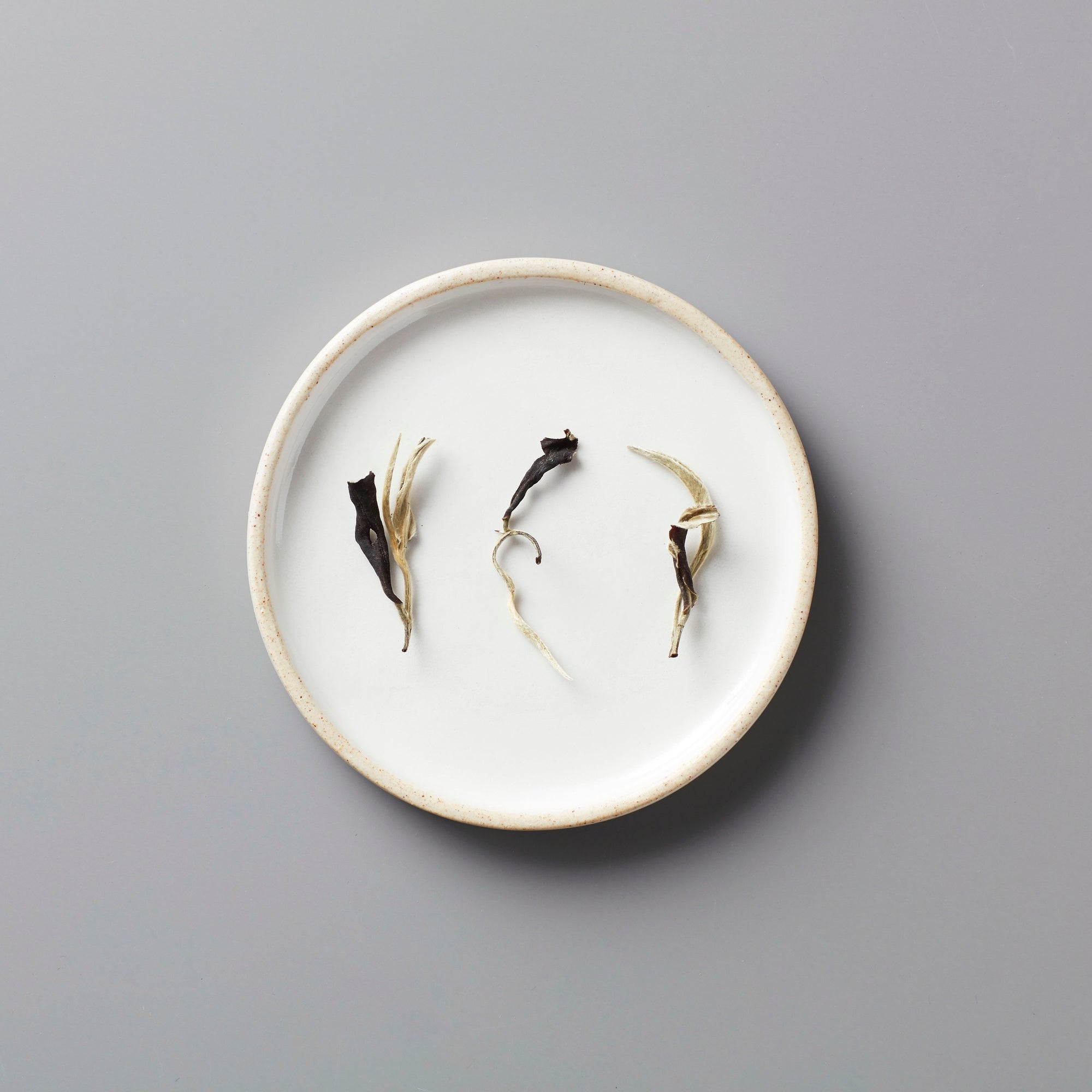
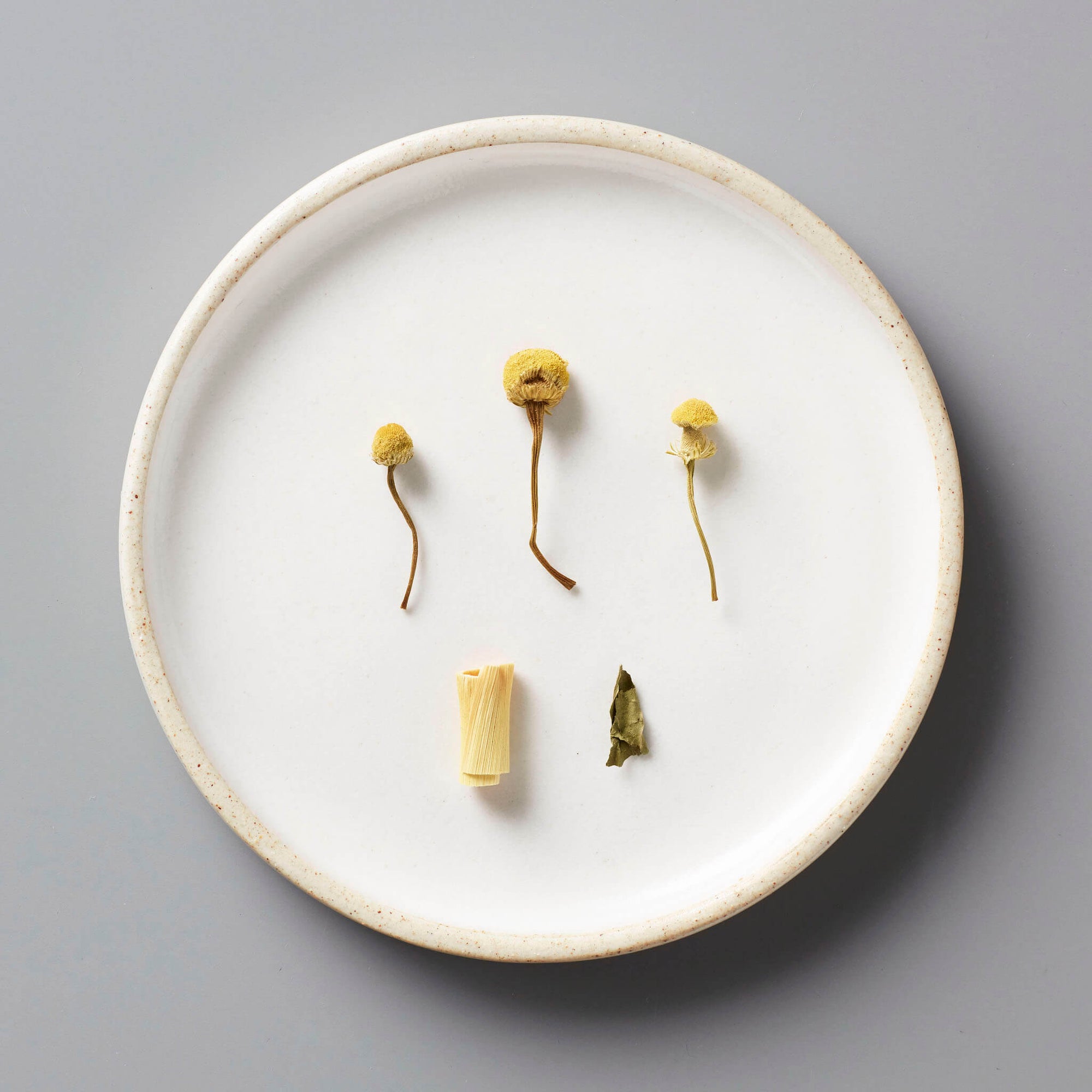
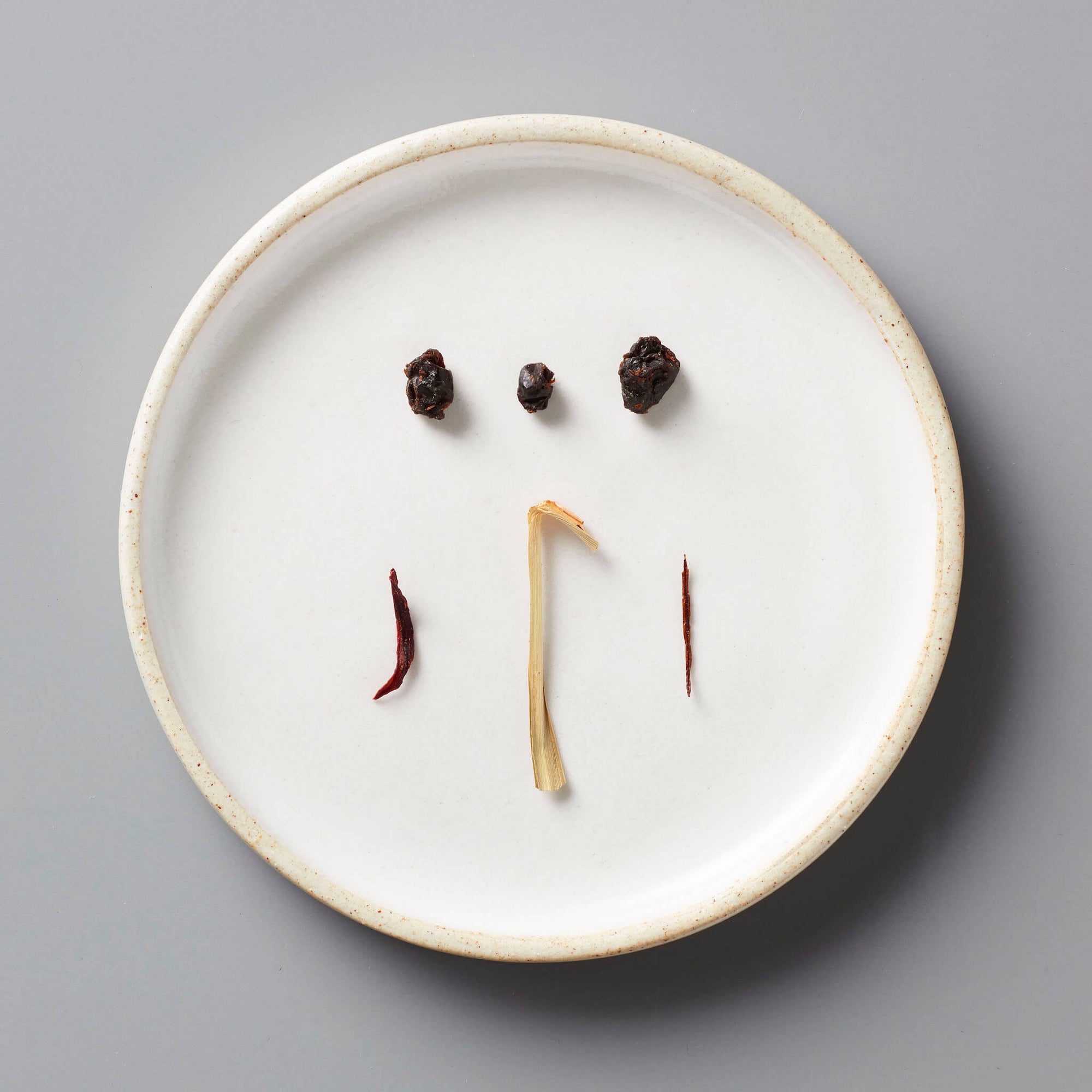
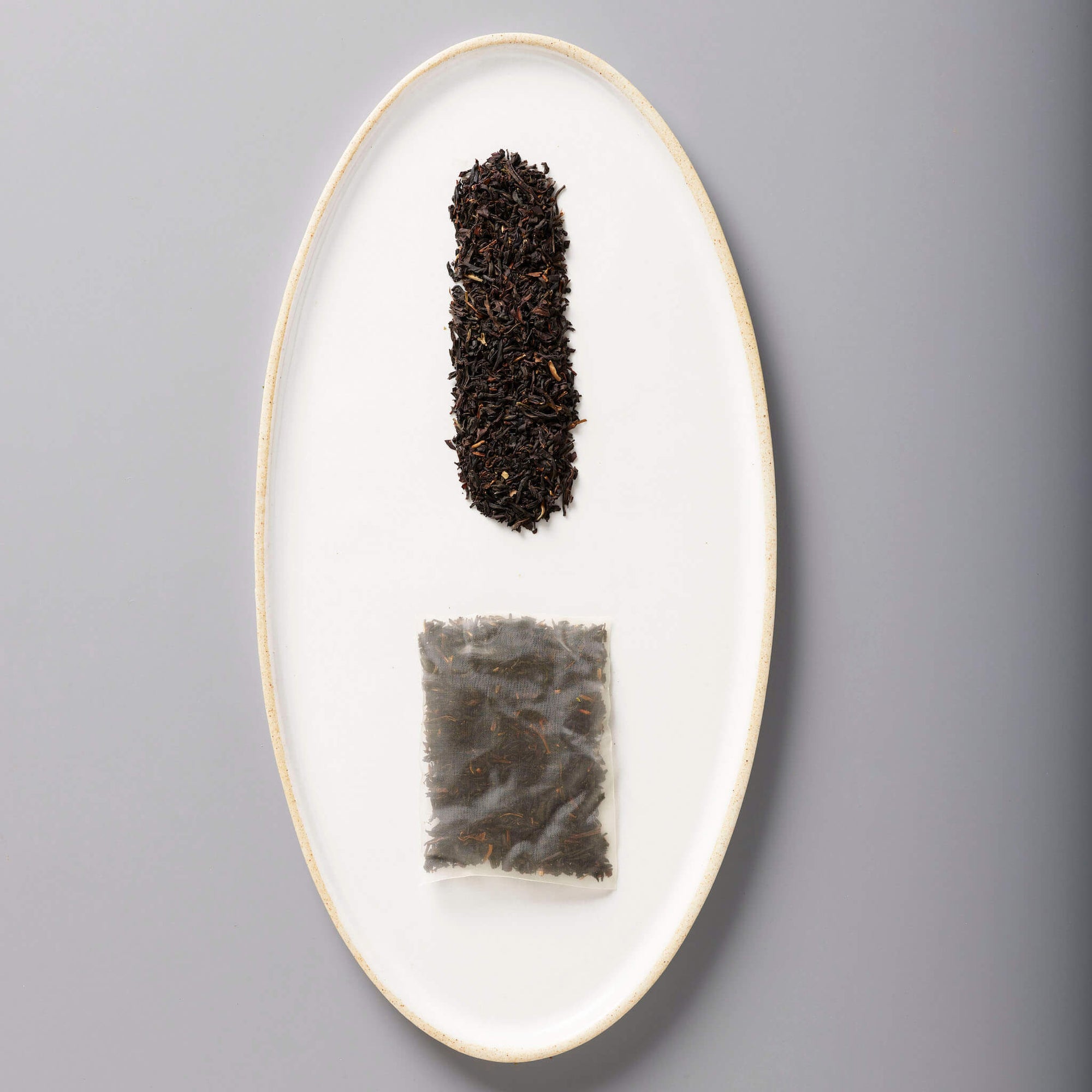
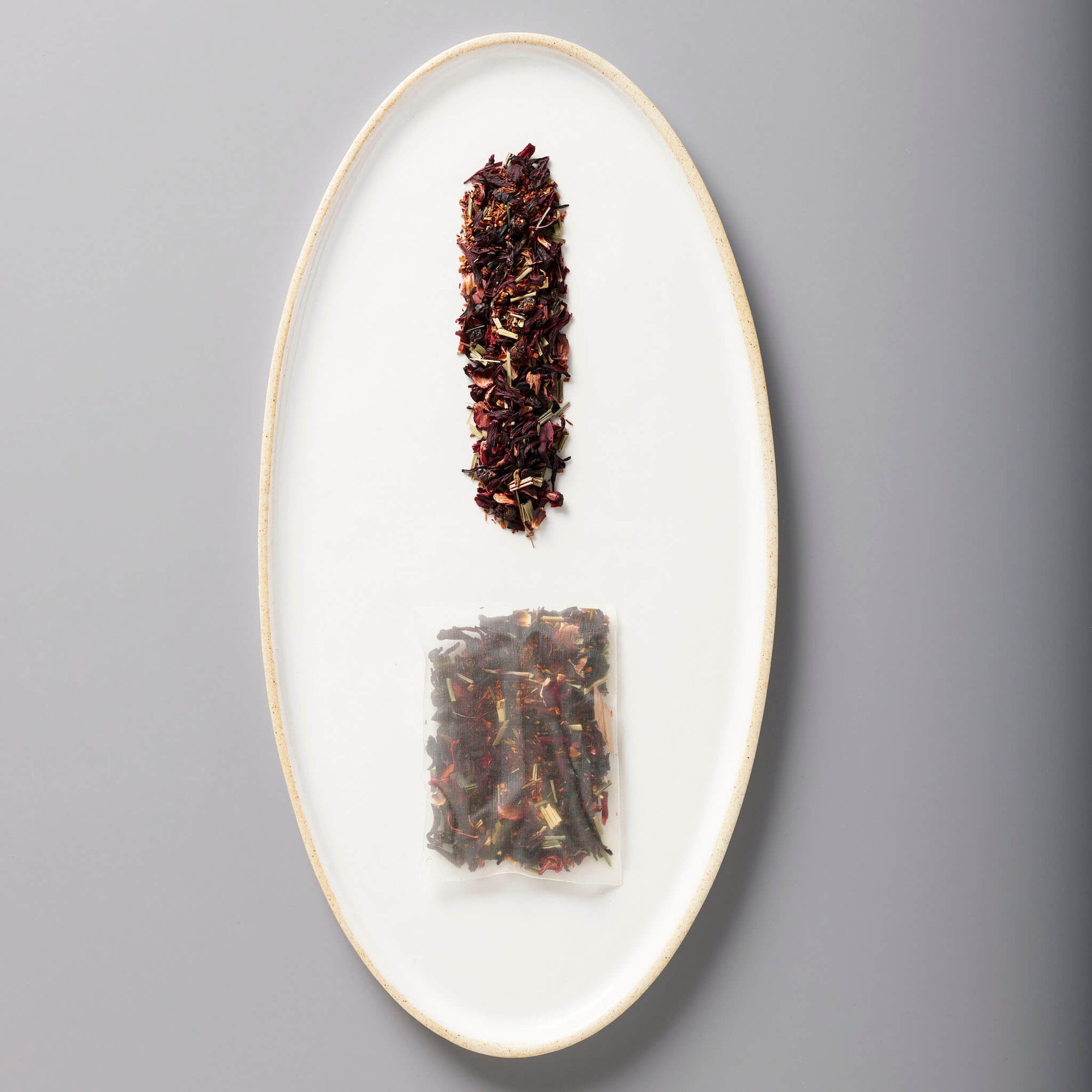
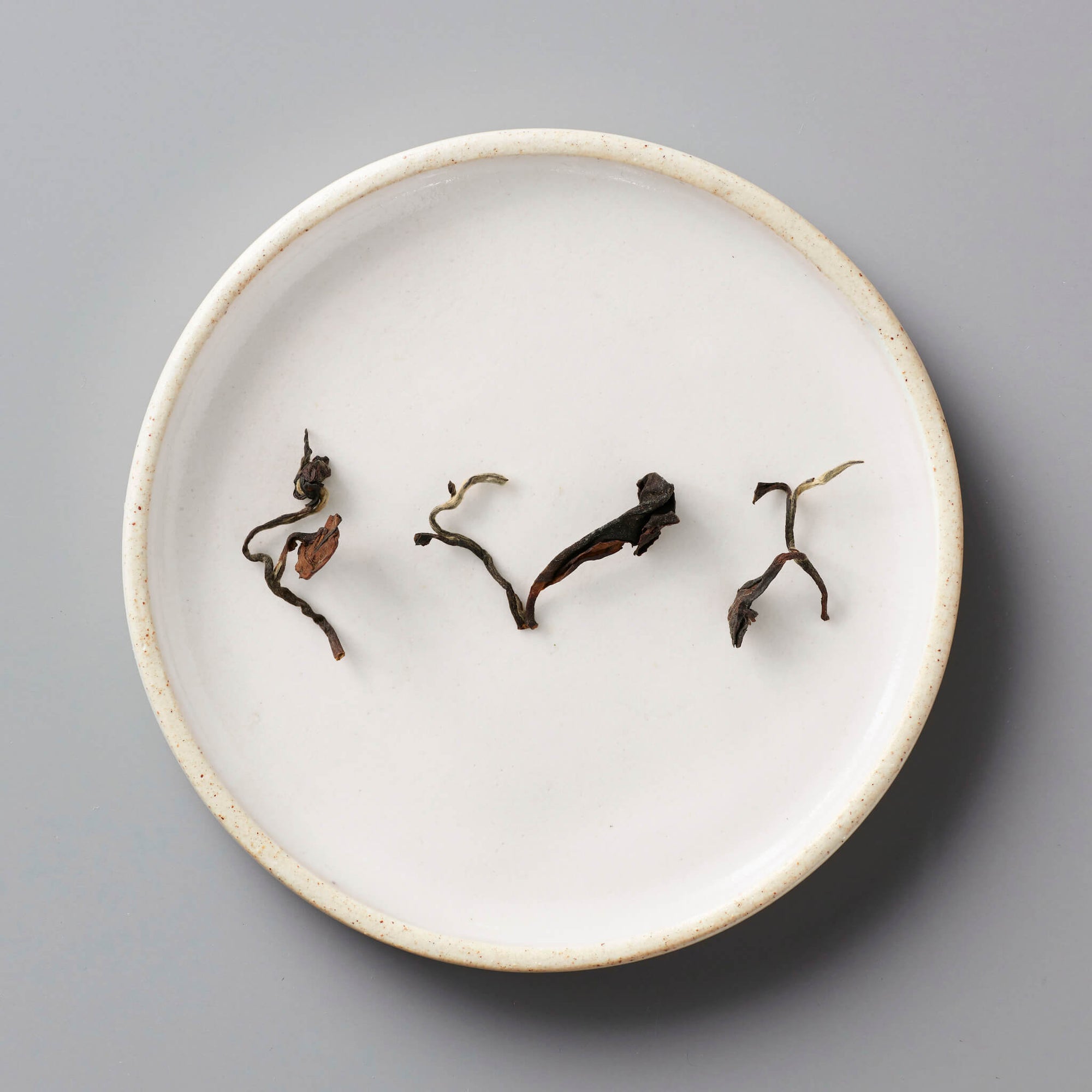
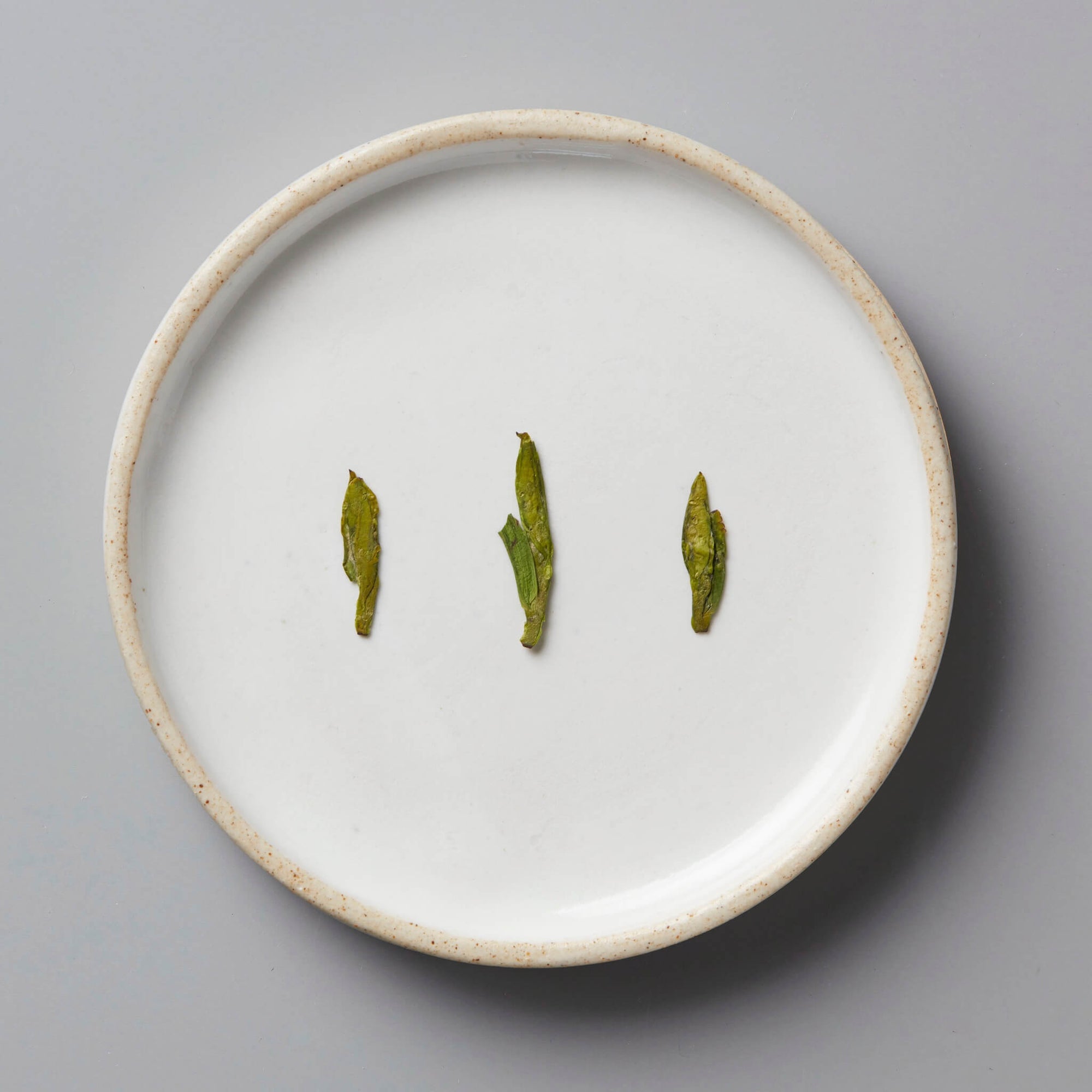
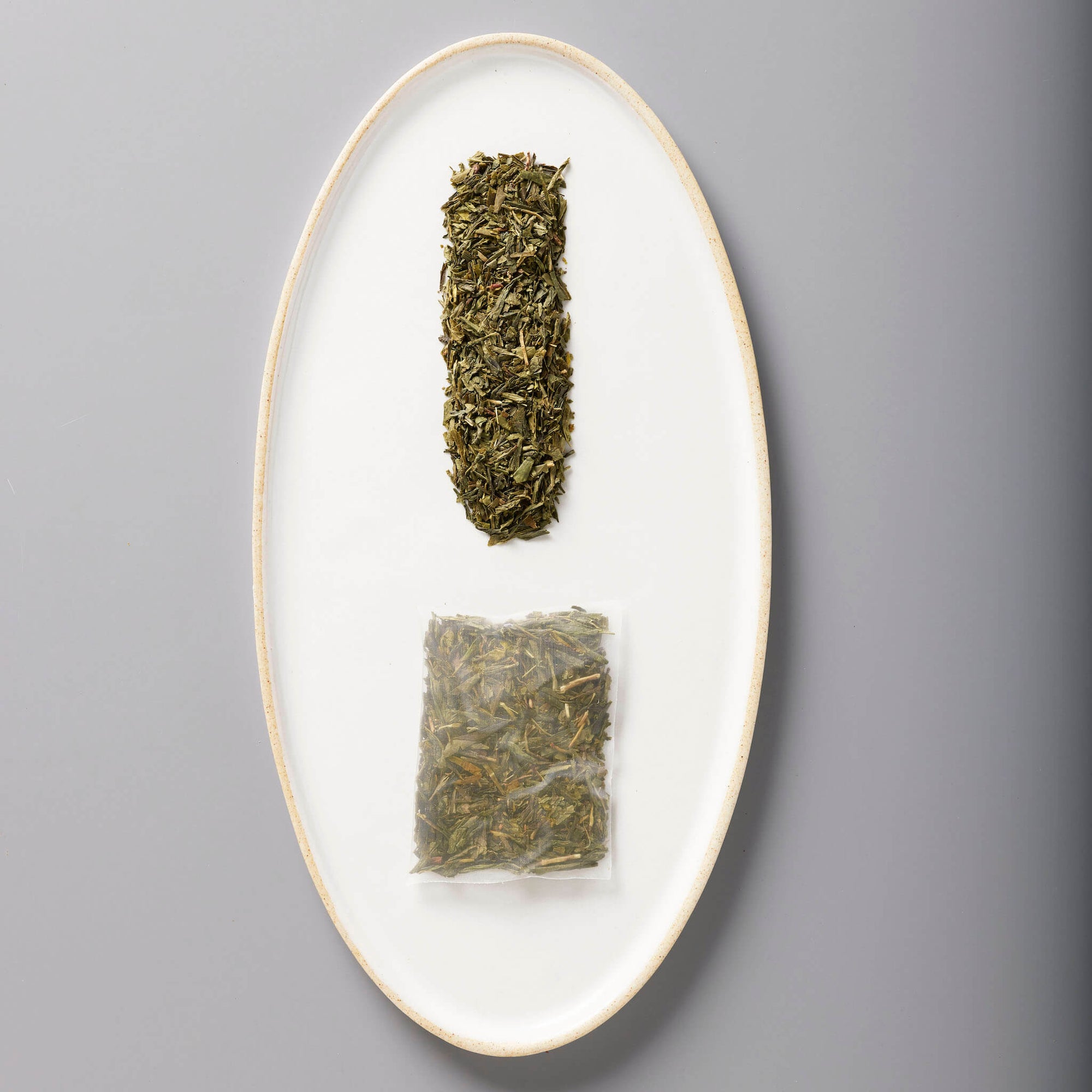
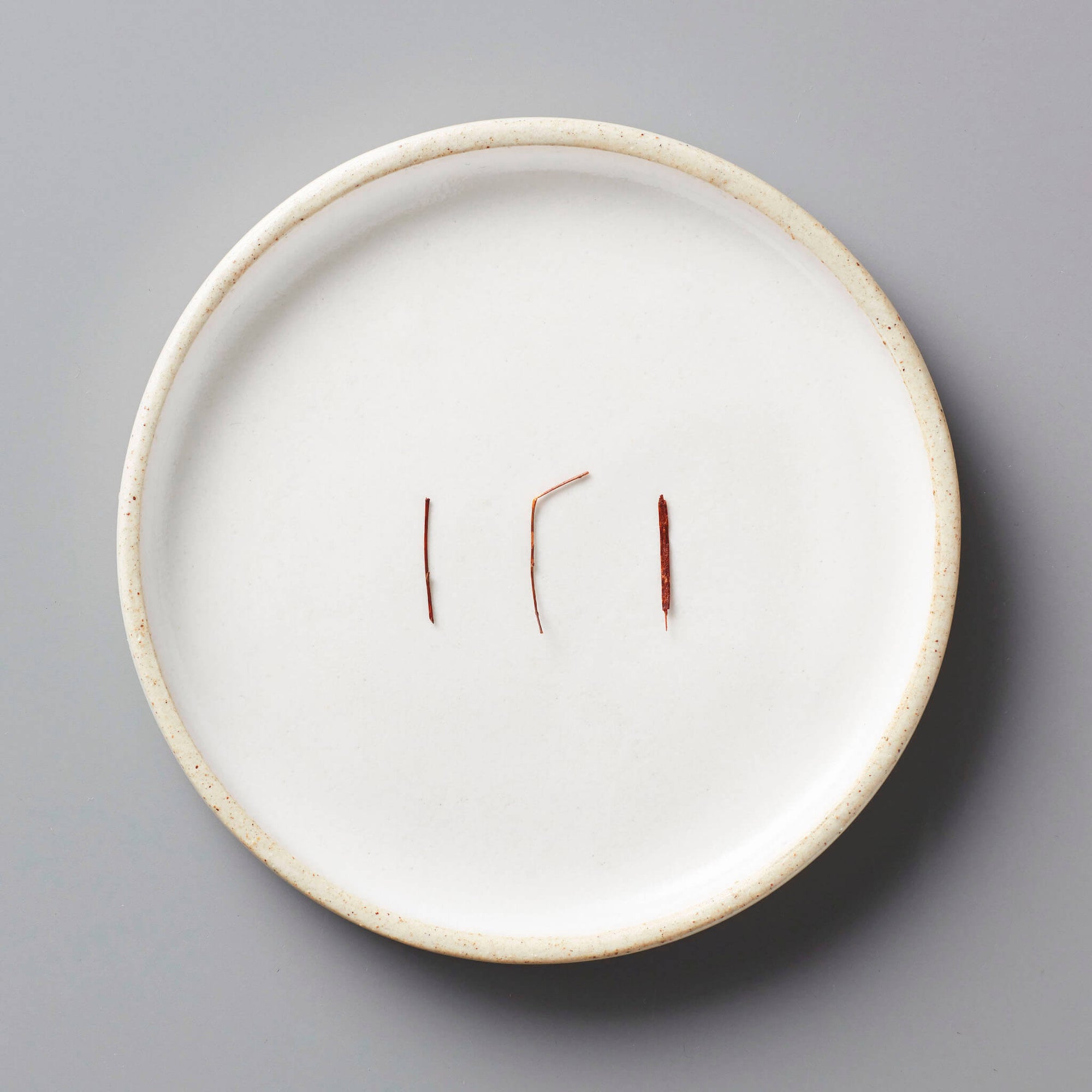
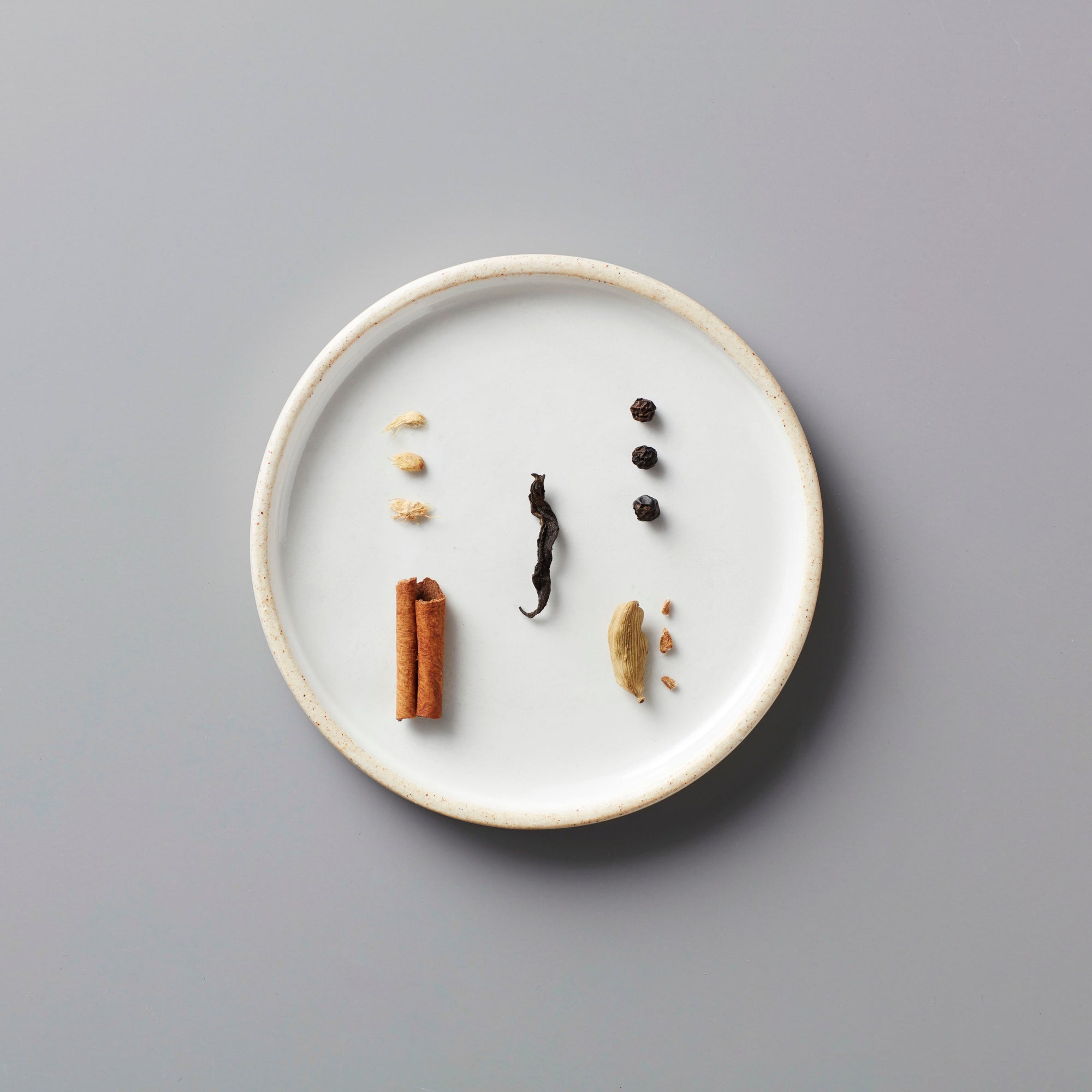
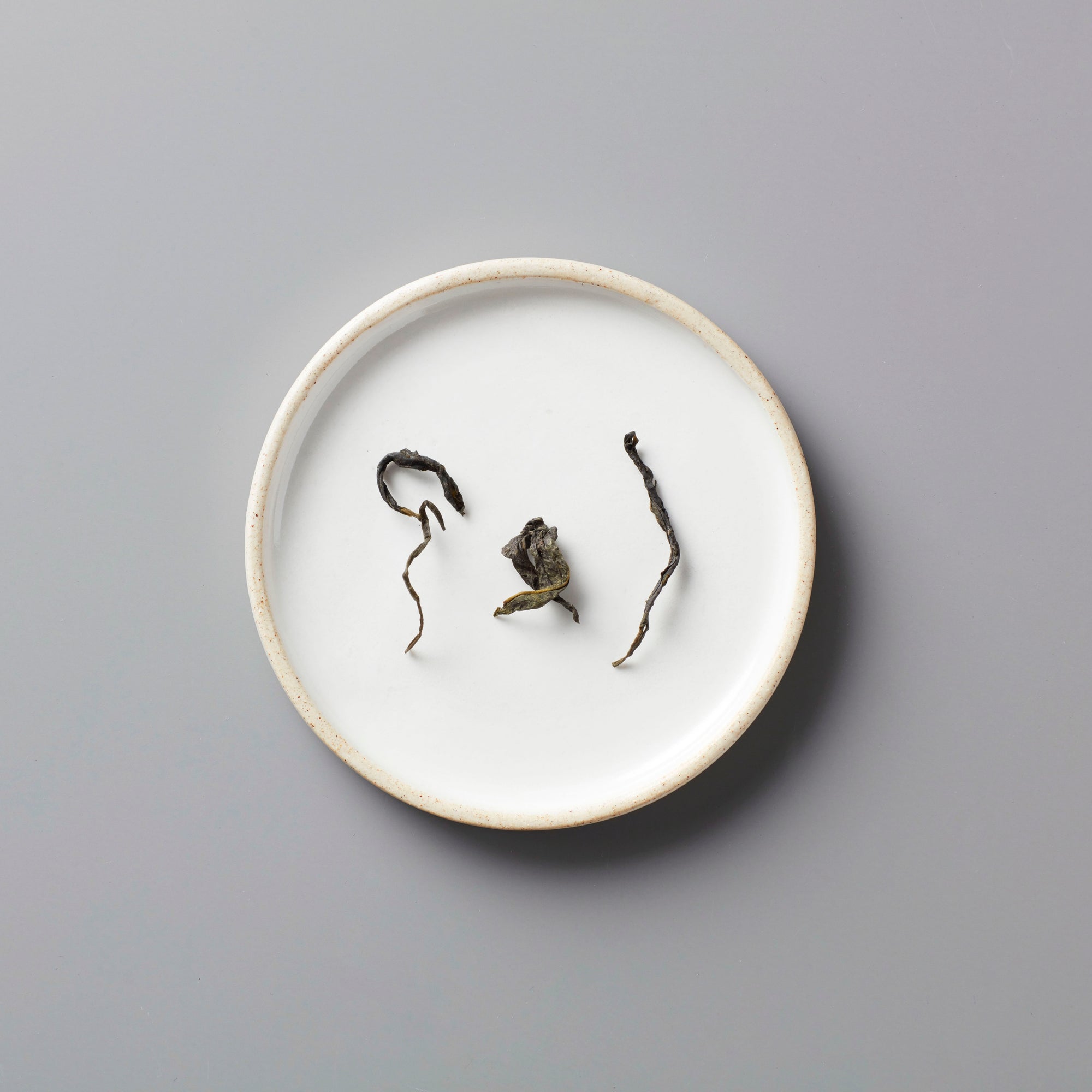
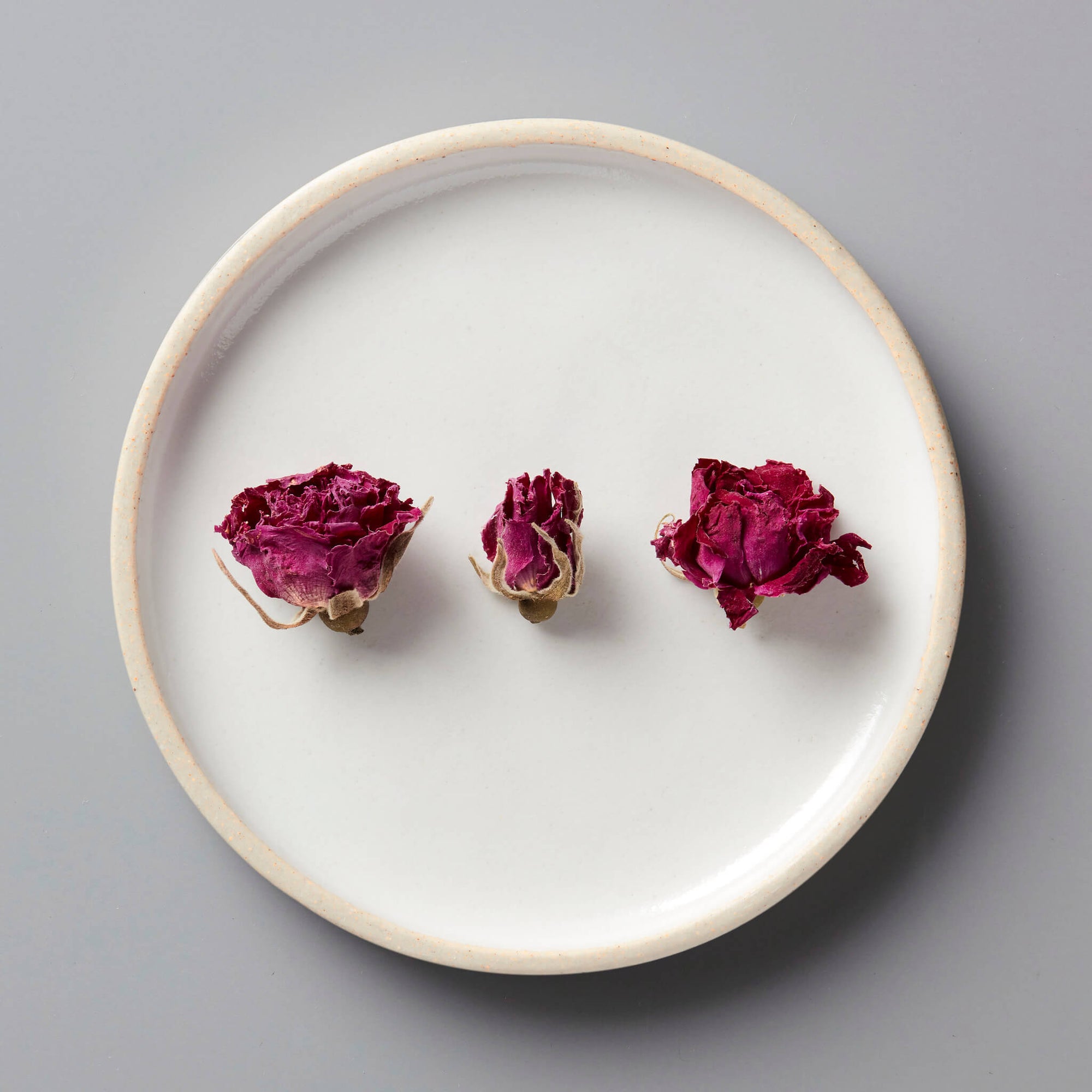
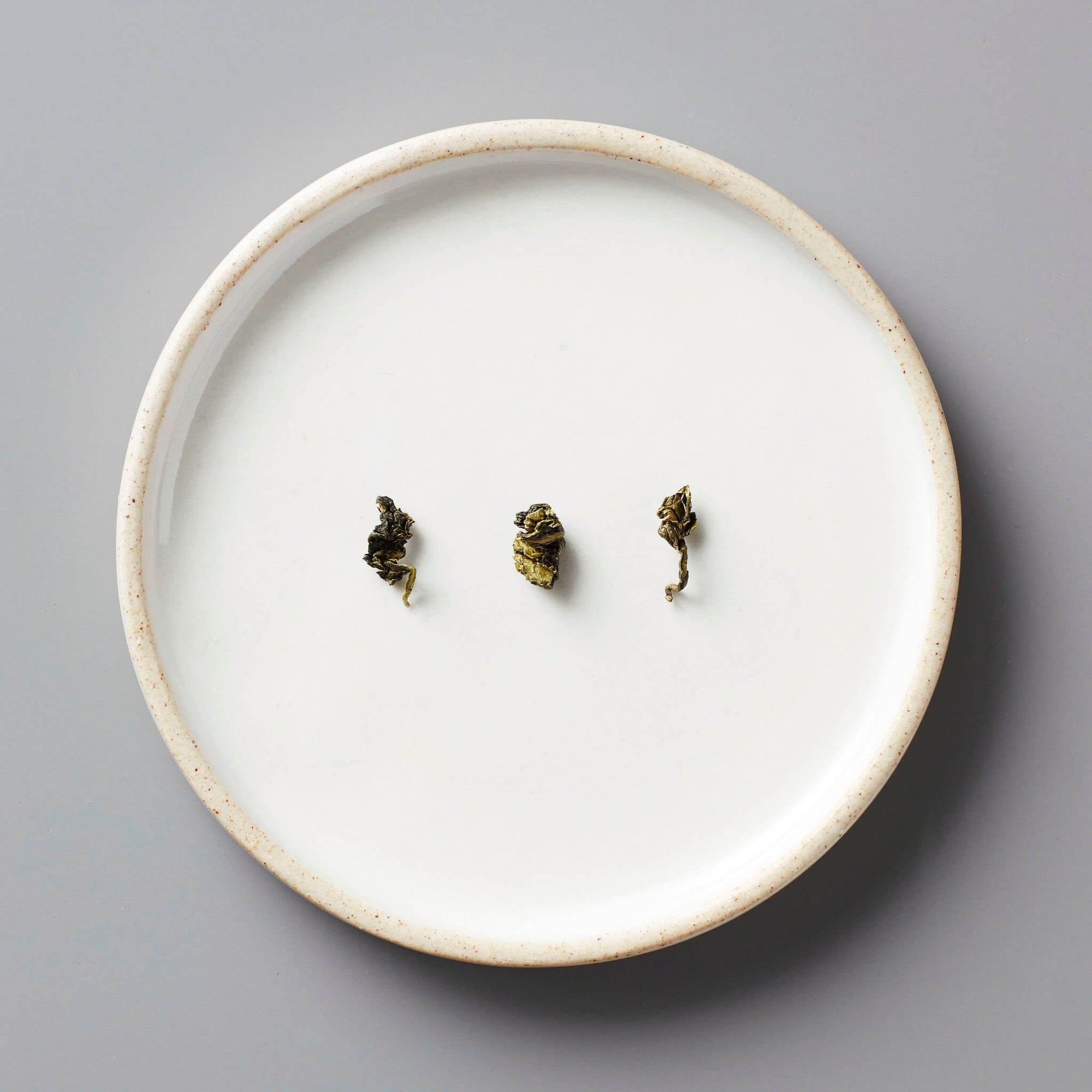
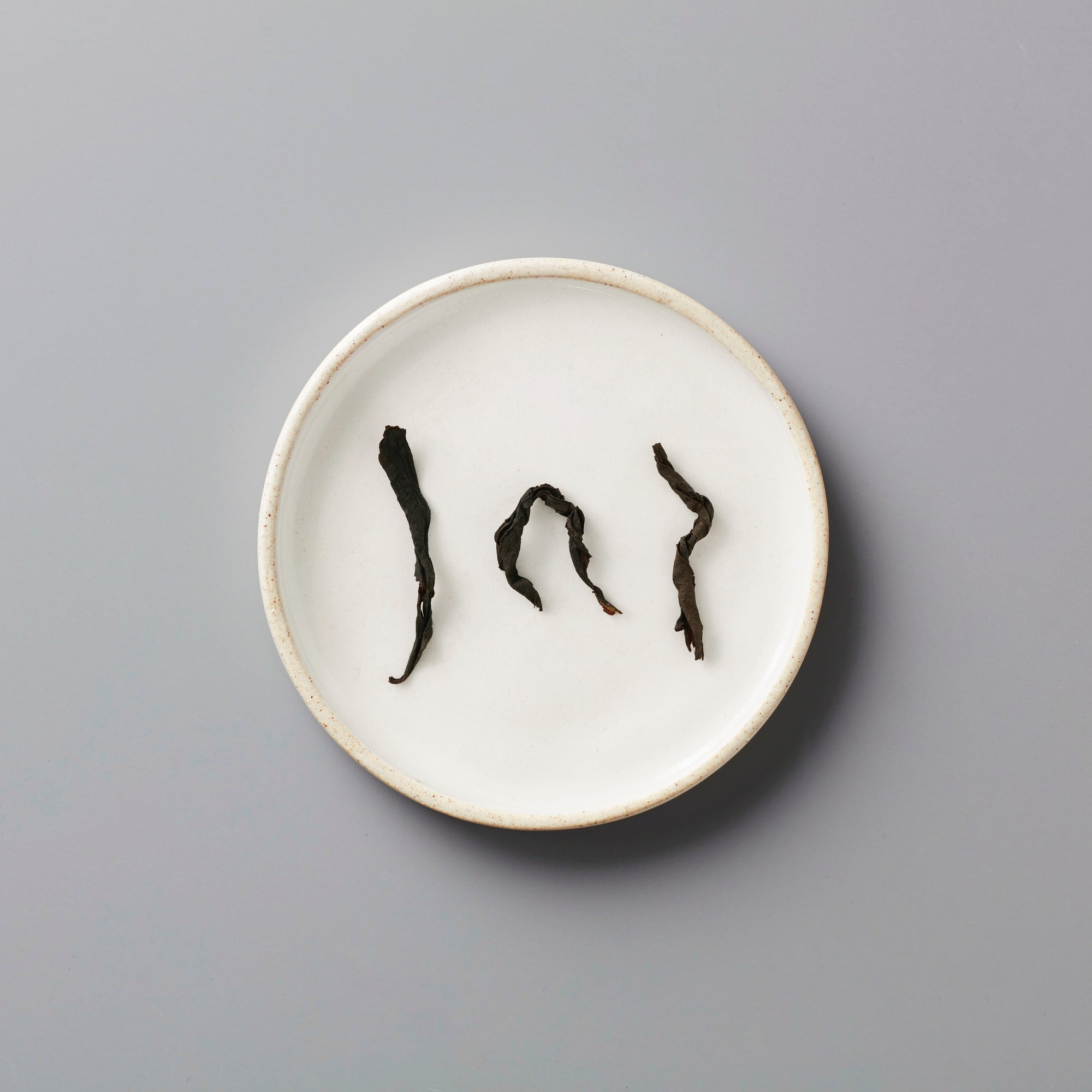
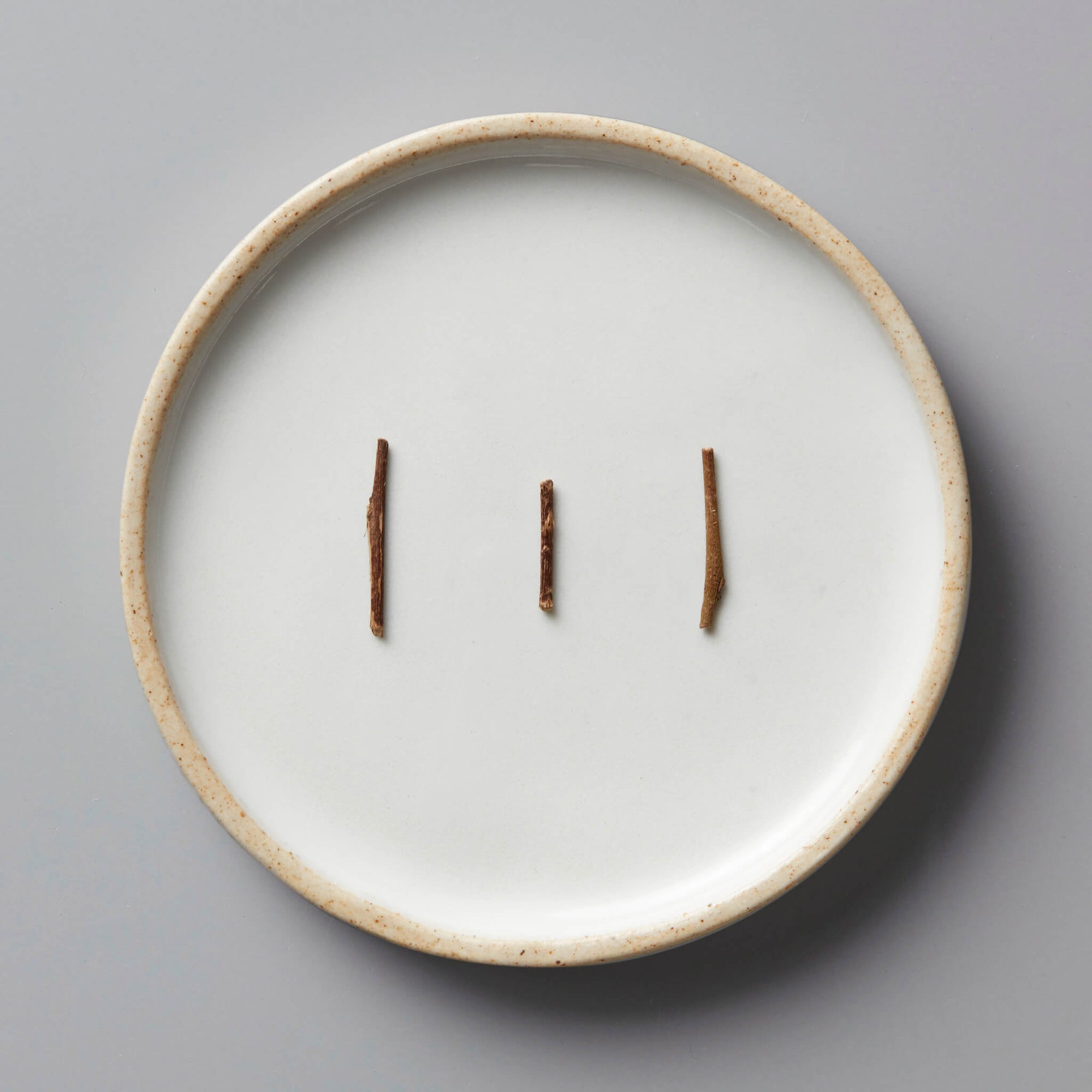
Loose leaf tea preserves the leaf in its full form, allowing oxidation, roasting, and rolling techniques to express clearly in cup. We source directly from producers in China, Japan, and India, selecting lots based on harvest clarity, processing precision, and how the tea performs during extraction. The result is a collection built around structure, balance, and repeatable brewing.
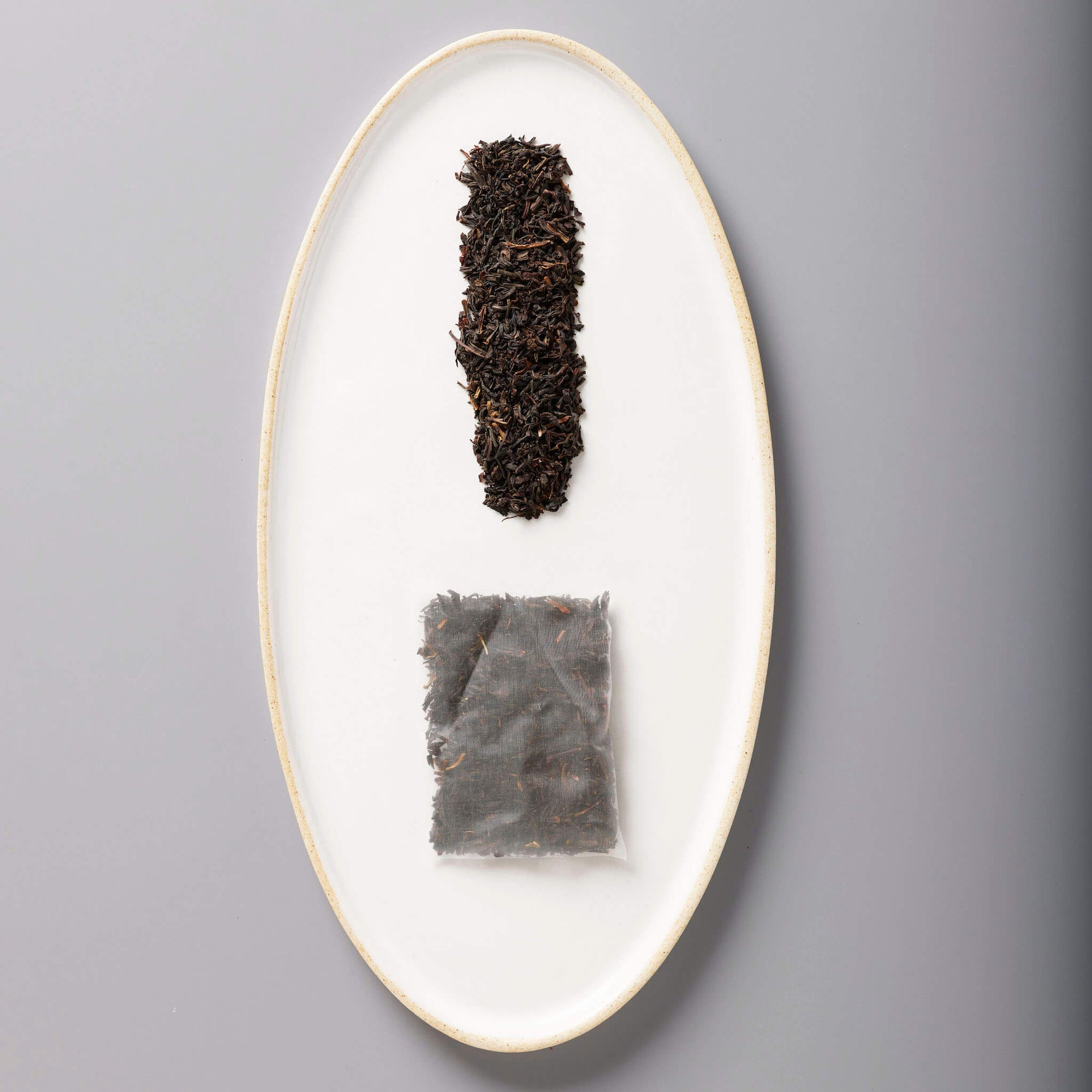
Loose leaf tea refers to whole or large-cut tea leaves that are not sealed inside a paper or mesh bag. Because the leaves remain intact, they expand fully during brewing, allowing more accurate extraction of flavor and aroma.
Not necessarily. Loose leaf offers more control over leaf quantity and extraction, while tea bags prioritize ease and speed. Both can be high quality when sourced and processed carefully.
Caffeine levels depend on tea type, leaf grade, and brewing method, not simply whether the tea is loose or bagged. A loose leaf green tea may contain less caffeine than a bagged black tea.
Brewing loose leaf tea requires measured leaf weight, proper water temperature, and adequate space for the leaves to expand. Most teas benefit from 2–3 grams per 8 ounces of water, adjusted for style and extraction preference.
Loose leaf allows better control over strength, consistency, and quality perception. It also reflects sourcing transparency and higher leaf grades.
For service environments, repeatable extraction matters more than convenience.