Your Cart is Empty


Exploring Tea Types: Green Tea
Learn about how heat fixing preserves green tea’s vibrant color and fresh flavor, making it one of the world’s most historic and widely enjoyed tea types.

Most cafés think they are choosing better tea. In reality, they are choosing a system.
When you evaluate a wholesale tea supplier, you are not just comparing flavor or price per pound. You are deciding how consistent your cups will be, how much training your staff will require, how much product you will waste, and how confidently you can speak about what you serve. The usual advice to look for quality, variety, and fast shipping does not address those operational realities.
Tea is agricultural. That means variability is built into the product. Harvest timing, oxidation level, and storage conditions all influence bitterness, aroma, and structure in the cup.
When you choose a supplier, you are choosing:
If your house green tea tastes different every few months, customers notice. If your staff struggles to reproduce the same result during a rush, consistency erodes.
Evaluating a wholesale tea supplier through a systems lens is more reliable than relying on labels or brand positioning.

Not all suppliers operate the same way, and structure determines transparency.
Some suppliers primarily resell tea purchased from exporters. Others blend commodity tea under private labels. Some work more directly with producers and manage sourcing relationships over time.
The term “direct trade” is not regulated. It can describe meaningful, long-term producer relationships, or simply fewer intermediaries. The difference matters.
Ask practical questions:
A supplier who can explain sourcing decisions clearly will usually be more consistent and more accountable.
Quality is not a marketing trait. It is the result of a few controllable variables.
Tea is harvested in batches. Even when a product name stays the same, the lot may change. A strong supplier cups new lots and adjusts sourcing to maintain profile stability.
Without this, your “same” tea may drift noticeably over time.
Processing defines how tea behaves. Oxidation, for example, is a chemical reaction between oxygen and polyphenols in the leaf that changes flavor, color, and structure. Roast intensity and drying methods also affect stability.
A supplier who understands these variables can explain why a tea works well iced, holds up in milk, or tolerates slight over-steeping. Without that literacy, product descriptions tend to be vague.
Tea degrades with exposure to light, heat, oxygen, and humidity. Storage before it reaches your café matters. Ask how inventory is stored and how frequently it turns over.
Even high-quality tea will flatten if mishandled upstream.
Loose leaf offers a higher quality ceiling and stronger aromatic expression. Sachets increase speed and repeatability. Neither format is inherently superior. The correct choice depends on your workflow, staffing, and menu.
The question is not which format is “better,” but which one aligns with your service reality.
Certain labels feel reassuring but are weak predictors of performance.
Organic certification reflects agricultural practice, not necessarily flavor clarity or processing precision. Organic tea can be excellent or average.
Terms like ceremonial grade are not standardized. Without harvest timing, cultivar detail, or processing explanation, they are marketing language.
“Single origin” indicates location, not quality control.
Packaging claims also deserve scrutiny. Some sachets use PLA, a plant-derived plastic that is industrially compostable under specific conditions. That nuance matters. Read more about material transparency in our discussion of PLA sachets.
Instead of relying on brand narratives, test suppliers operationally.
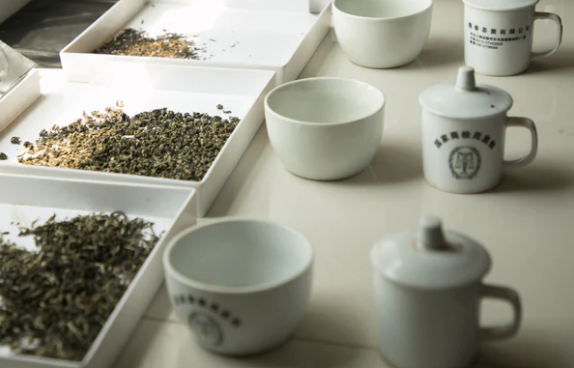
Request a small set of teas aligned with your intended menu. Ask for harvest timing and processing notes. Brew according to recommended parameters, then slightly outside them. Does the tea collapse into harshness if steeped a bit too long? Does it hold up iced or with milk if that reflects your menu?
Assess staff reproducibility. Evaluate packaging usability. Calculate realistic cost per cup based on actual dosage.
Loose leaf can signal craft and allow deeper aromatic expression. It also increases variability if measurements are inconsistent.
Sachets simplify portioning and reduce training burden. They are often better suited to high-volume environments. Material transparency and sourcing still matter.
The right choice is contextual. A supplier should help you align format with service model rather than pushing a single ideology.

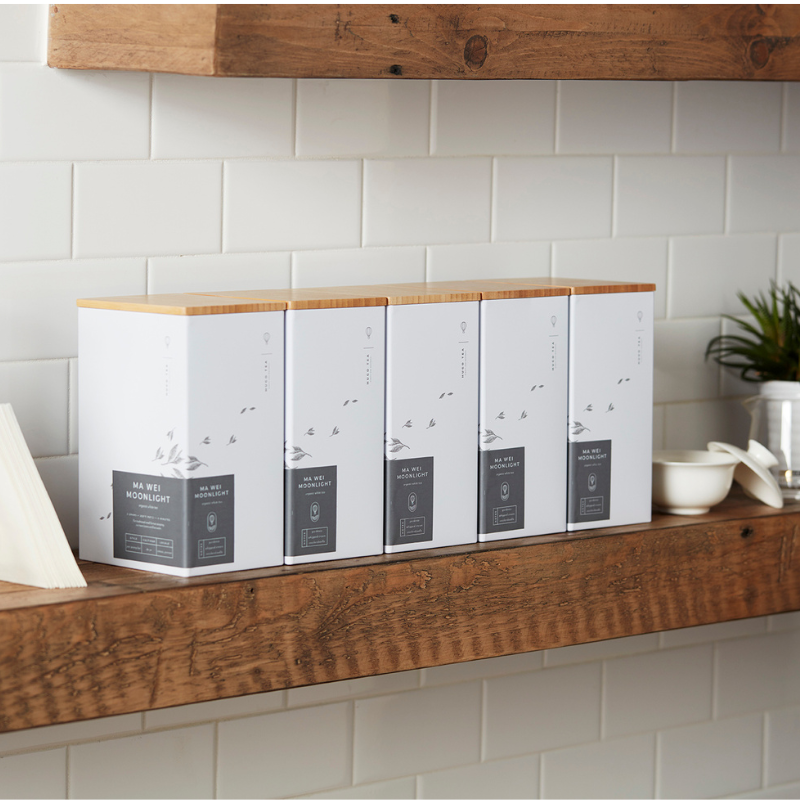
Hugo Wholesale is built around transparency, consistency, and real service conditions. We source directly from producers and provide clear harvest and processing detail, then support partners with service-ready formats, air-tight storage solutions, menu resources, and ongoing brewing guidance.
The goal is not just access to good tea, but a tea program that performs reliably in your space and stands up to daily service.
Previous Article
Learn about how heat fixing preserves green tea’s vibrant color and fresh flavor, making it one of the world’s most historic and widely enjoyed tea types.
Next Article
Preserving the flavor and aroma of matcha with the right packaging.
