Your Cart is Empty

Choosing a Wholesale Tea Supplier: What Most Cafés Overlook
A clear framework for evaluating wholesale tea suppliers. Learn what cafés often overlook, from sourcing transparency to service fit.


Tea pricing often feels arbitrary. Two green teas can look similar and cost three times different. Two matchas labeled ceremonial can sit $20 apart. Without context, the variation reads like branding. In reality, tea pricing feels inconsistent because most buyers cannot see the production variables that actually impact cost.
Price differences usually trace back to yield constraints, labor intensity, processing loss, logistics, and margin structure. Once those are understood, the spread starts to make sense.
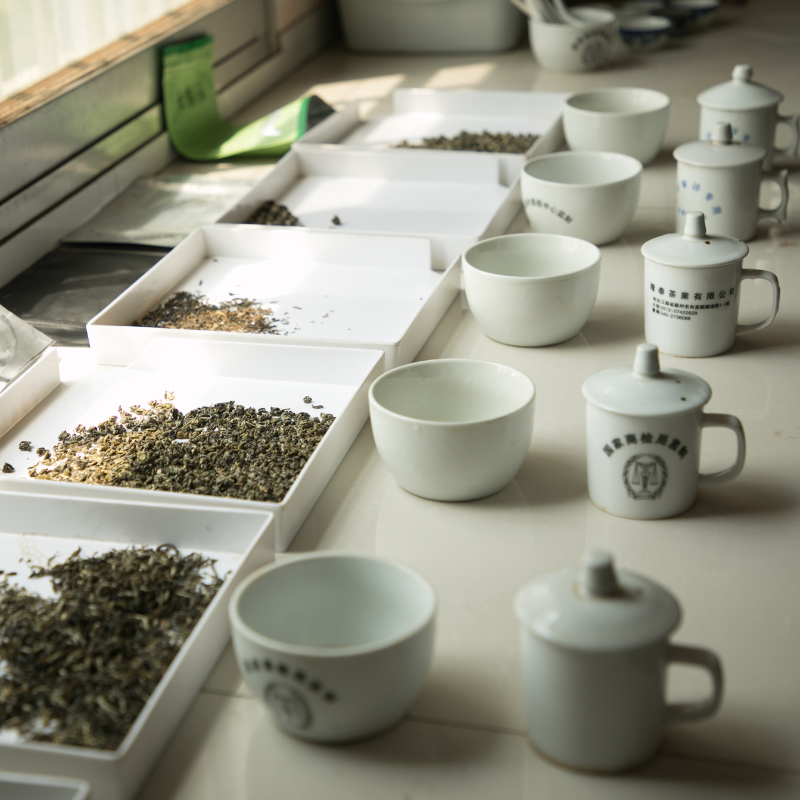
Most people compare tea by category and appearance. If both products say oolong or matcha, large price differences seem inflated.
Category labels describe style, not economics. They do not tell you:
When those variables shift, cost shifts. Pricing only feels inconsistent because the upstream mechanics are invisible.

Retail price is not just the cost of dried leaf.
It typically includes:
Yieldis the amount of finished tea produced from harvested leaf. Because moisture is removed during drying and additional sorting reduces usable material, the final sellable weight is lower than what was picked. When yield drops, cost per unit rises, which can significantly affect pricing.
Harvest timing affects both flavor and economics.
Early harvests often produce lower volume with higher demand. If a farm dedicates acreage to a short picking window, total output per hectare can decrease. Lower yield with equal or higher labor increases cost per kilogram.
Picking standard also matters. Selecting only buds and first leaves requires more passes through the field and tighter sorting.
Tea production ranges from mechanized harvesting to heavily manual processes.
Hand-picking, hand-sorting, and repetitive shaping steps increase labor hours per unit. In small-lot production, labor is often the dominant cost variable.
Certain oolongs and high-grade matcha depend on strict leaf selection, which increases time and oversight requirements.
Processing steps change both flavor and cost.
Oxidation, roasting, withering, rolling, shaping, and drying all require time, equipment, and skill. Each additional step introduces labor and increases the opportunity for error or loss.
A tea that undergoes multiple roast cycles demands more time and fuel than one that is minimally processed.
Fresh tea leaf contains significant water content. During drying, moisture is reduced to create shelf-stable tea.
This reduction means the final sellable product may represent a fraction of the harvested material. Sorting and grading can further decrease usable weight.
Lower final output increases cost per gram.
Some teas are sold immediately. Others require controlled storage.
Holding inventory ties up capital and introduces risk. Climate control, monitoring, and space all carry cost.
Sensitive teas like matcha also require careful freshness management, which adds handling considerations.
Commodity shipments benefit from scale. Small specialty lots do not.
Smaller volumes often mean higher per-unit shipping cost. Customs clearance, consolidation, and temperature sensitivity can all affect final pricing.
When working with small producers, logistics efficiency is rarely optimized purely for lowest cost.
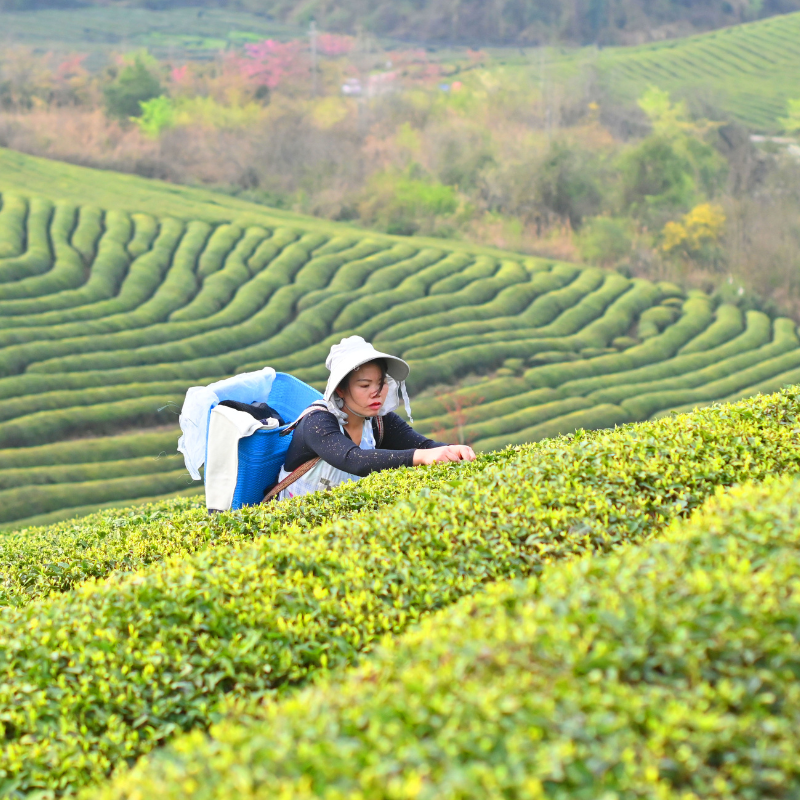
Two teas labeled green tea can operate under entirely different cost structures.
One may be machine-harvested, high-yield, and minimally sorted. Another may be hand-picked with strict grading and lower output per hectare.
The category name describes processing style. It does not describe:
Price variation within a category is often structural rather than cosmetic.
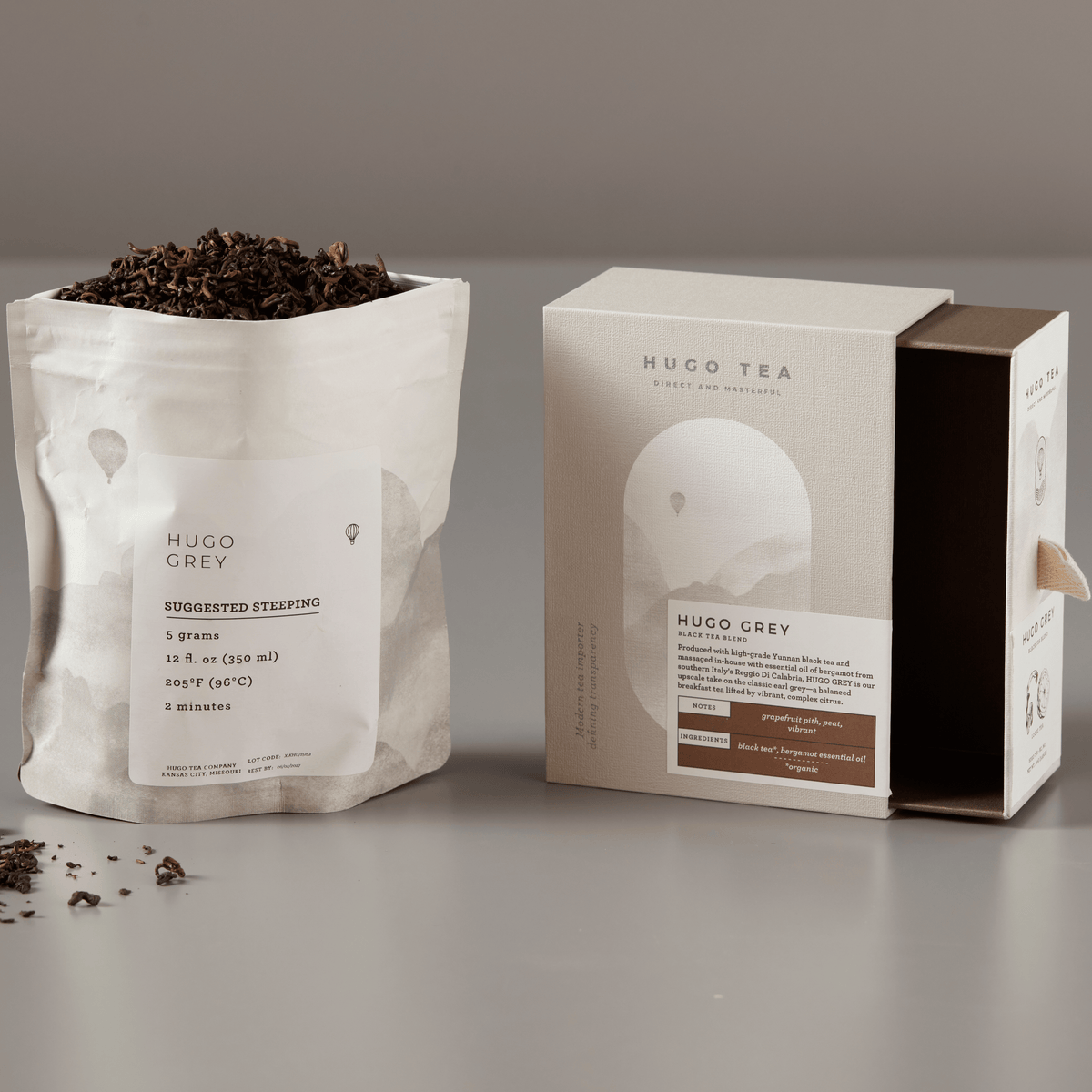
Higher cost often reflects real constraints. It does not automatically guarantee preference.
Taste is influenced by processing decisions and brewing variables. A more expensive tea may be rarer or more labor-intensive, but that does not ensure it aligns with your taste.
Organic certification can increase compliance costs and affect yield. It is one variable among many.
Yield, labor intensity, and processing complexity often play larger roles.
Direct trade improves transparency and margin clarity. It does not automatically reduce retail price.
Small-lot sourcing and closer producer relationships can increase administrative and logistical complexity. The benefit is visibility and alignment, not guaranteed discounting.
Format does not fully determine cost.
Portioning, packaging material, and production scale affect economics. Sachets made from breathable mesh and filled with intact leaf can carry higher packaging and assembly costs than bulk loose leaf.
Matcha pricing often feels extreme because production variables are concentrated.
Shading tea plants before harvest reduces photosynthesis and yield while increasing labor input. Leaves must be processed into tencha before milling. Stone milling is slow and capacity-limited.
Small changes in leaf quality, shading duration, and sorting standards significantly affect output.
That is why two products labeled ceremonial can vary widely in price. The term itself is not regulated. Production details matter more than the label.
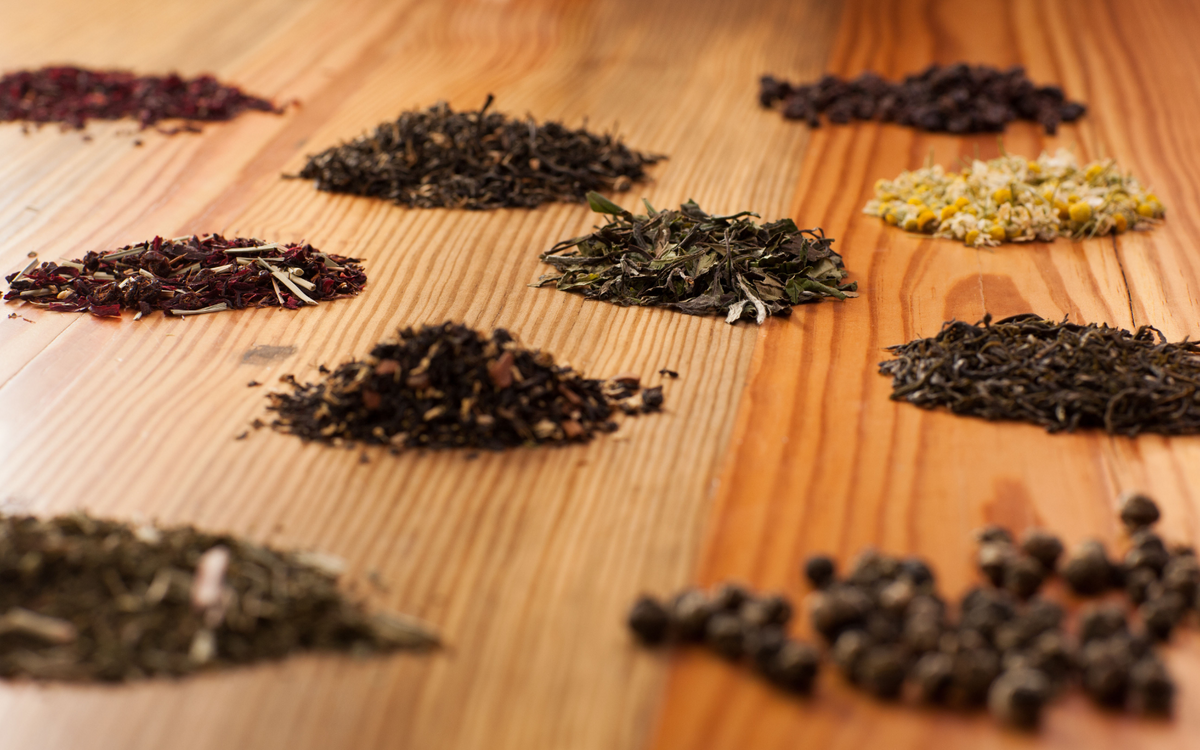
Tea pricing is rarely random. It reflects yield constraints, labor inputs, processing decisions, logistics, and margin structure.
Once you understand those drivers, price differences become easier to evaluate. Instead of asking whether a tea is worth it, ask what changed upstream.
That shift replaces marketing language with production literacy. From there, you can browse our teas with clearer expectations about what you are paying for.
Previous Article
A clear framework for evaluating wholesale tea suppliers. Learn what cafés often overlook, from sourcing transparency to service fit.
Next Article
All true tea comes from one plant. The differences come from how the leaves are processed. Learn what actually changes, and why it matters in the cup.
